Tag Archive for: Chief Operating Officer

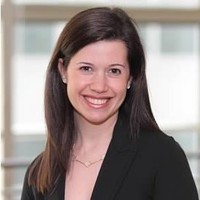
Deborah Overdeput“I can look back and point to the promotions, the double-digit growth, all the successes along the way, but I never truly believed in my success until I stepped out on my own and built a business,” says Deborah Overdeput.

That moment of independence was not just a career milestone, but a shift in how she saw herself as a leader: someone who thrives on curiosity, creates clarity where there is none, and knows when it is time to pivot.

From Rocket Science to Market Growth

Overdeput began her career as a rocket scientist, trained in space station computing and fault-tolerant systems. Yet, when she relocated to Belgium for an engineering role at Swift, she felt restless. “I realized I really liked talking about what we were doing rather than actually building it. Once I got bit by that bug, I knew I had to transition into marketing.”

With no formal background in marketing, Overdeput made a bold decision: she would become a Chief Marketing Officer in technology. That goal guided every step she took, from mastering the fast-changing dynamics of marketing to taking lateral moves and pushing herself into stretch roles that expanded her skills and influence. At SunGard, her determination paid off as she advanced from marketing a single product line to overseeing more than 40. Later, at Sapient, she led the repositioning of a 250-million-dollar business unit and helped drive it to more than 500 million dollars in under five years.

What she took away from those years was simple: strategy only works if it is rooted in reality. “If you do not understand how products work, how teams operate, and what customers actually need, it is hard to make the right choices. I have always believed strong leadership starts with really knowing what is happening on the ground.”

Creating Clarity in Uncertain Times

Overdeput believes leadership matters most when circumstances are ambiguous. “You do not need leadership when everything is well defined. You need leadership when the path is unclear and the pressure is high. My role has always been to take that uncertainty, translate it into strategy, and help others see the way forward.”

That principle carries into her role today as COO at Innovative Systems, where she leads global product management, marketing, operations, and human resources. “My focus is on enabling human potential by aligning talent, strategy, and resources so that even in shifting markets, our people can do their best work and deliver meaningful impact for our clients.”

Innovative Systems is also known for building long-term relationships with clients, some spanning decades. Overdeput emphasizes that trust is both a differentiator and a responsibility. “Our clients count on us not just for technology, but for partnership. Delivering on that promise, year after year, is what keeps us relevant and resilient in a shifting compliance landscape.”

Lessons in Confidence and Voice

Before her COO role at Innovative Systems, Overdeput built a successful consultancy as a fractional Chief Marketing Officer. Working with a range of technology and financial services clients, she discovered a new level of confidence in her own capabilities. The experience affirmed her expertise and sharpened her ability to deliver high-impact results across different businesses and industries.

She also discovered her voice had changed. “Earlier in my career, as a woman inside large companies, I often found my ideas ignored until repeated by a man. Over time, I learned to strengthen my voice, to claim my authority. Today, people stop and listen not just because of my title, but because they know I speak with conviction and experience.”

That conviction shapes her leadership style today. “I try to listen more and advocate for voices within the company. Leadership is not about being the loudest person in the room. It is about making sure the right voices are heard.”

The Power of Networks and Mentorship

For Overdeput, networks and mentorship are essential leadership tools. She has mentored University of New Hampshire students since 2009, often those with math or computer science backgrounds like her own. “I tell them, start early. Build your network, get on LinkedIn, connect with your peers. Those relationships are career changing.”

Mentorship, she says, has shaped her as much as her mentees. “Working with students helps me see how the next generation thinks, what motivates them, and how they want to grow. That perspective is essential for any leader who wants to build teams that are not only high-performing today but also ready for tomorrow.”

It is also what inspired her latest project: Walk Away, a book she is co-authoring with Sally Clarke. “The book brings together stories of women who reached pivotal moments and chose to leave situations that no longer aligned with their values or ambitions. Hearing these stories has been like sitting with different mentors. Each one has helped me rethink the situations I face in my own career and the challenges my mentees bring to me. One of the women said, ‘Walking away was the boldest form of leadership I have ever practiced.’ That stayed with me, because leadership is often about knowing when to stay the course, and when the braver choice is to step into something new.”

Building Teams Through Talent

For Overdeput, the heart of leadership lies in building strong teams. “High-performing teams are not built by accident; they come from spotting potential others might overlook and giving people the chance to prove themselves. One of my best hires did not meet the checklist on paper, but I knew she had what it would take. She went on to become a star. As Steve Jobs once said, it does not make sense to hire smart people and then tell them what to do. My role is to create the conditions for their talent to shine.”

Her approach is less about rigid processes and more about creating conditions for people to thrive. Weekly check-ins, open conversations, and celebrating wins keep teams connected and aligned to a bigger purpose. “One of the most rewarding experiences is when a team pulls together to deliver something bigger than any one individual could achieve. I make it a point to celebrate those moments, because they remind me that leadership is not about one person’s actions, but about creating the environment where everyone’s contributions matter.”

Leading With Intuition and Humanity

Her leadership philosophy is also shaped by yoga and meditation, which she has practiced for more than 30 years. “Yoga taught me how to breathe through stress and build core strength, not only physically but also in the way I show up as a leader. Meditation taught me to quiet the noise, to see the world beyond my own ego, and to stay present for others. Together, they remind me it is not about me, it is about enabling others. Maya Angelou captured it best: people will forget what you said and what you did, but they will never forget how you made them feel. That truth stays with me, because I have seen it reflected back in the people I have supported, watching their success become part of my own impact.”

And from her mother, she learned the value of having a cheerleader in your corner. “She showed me that sometimes what you need most is someone who believes in you, no matter the obstacles. That is the kind of leader I try to be for others.”

Looking Ahead

Asked what drives her today, Overdeput points to impact. “I want to look back and know I left a stamp, that I built teams, grew businesses, and created opportunities for others to succeed. For me, leadership is about enabling human potential in ways that last, so the people and organizations I have touched continue to thrive long after I have moved on.”
That philosophy ties her trajectory from rocket science to COO together. As she puts it: “Great leadership means building great products, growing great people, and creating clarity in a complex world.”

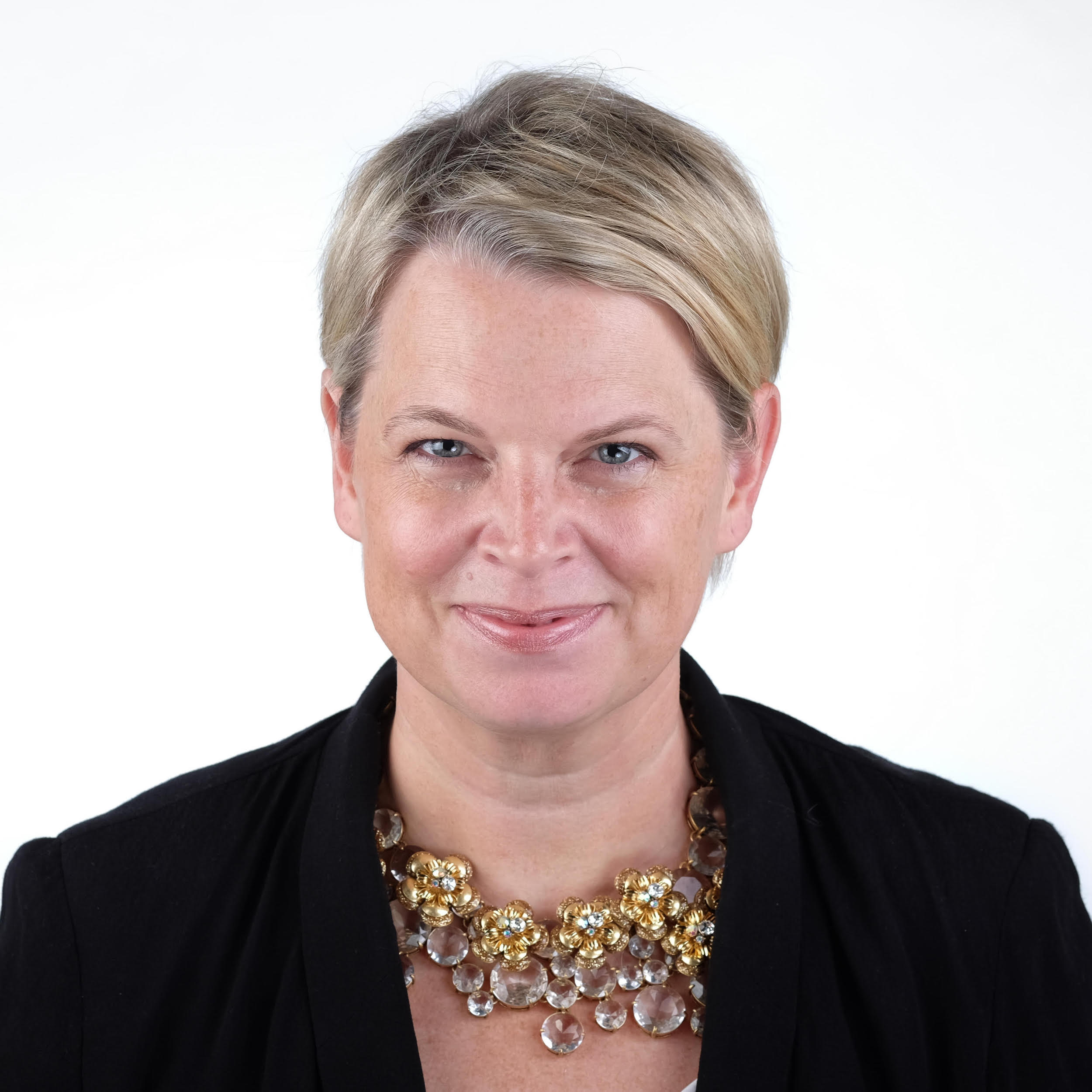
Johanna Diaz“In facing challenges or change, I always go back to the questions: Am I in the right place? Am I surrounded by the right people? Am I learning? Am I growing?” says Johanna Diaz. “When you can identify core tenets to return to and hold yourself to them, they become a guide for navigating almost anything.”

Led as much by her intuition as by the foundational aspirations of her first-generation beginnings, Diaz leverages every opportunity to learn, grow, and lead. She shares how her trajectory reflects not only her resilience but also the support of mentors whose influence continues to inform her leadership.

From the Bronx to Goldman Sachs

Born in the Bronx to parents who immigrated from the Dominican Republic, Diaz understood the value of education from an early age: “being a first-generation American, my parents made it a priority for my siblings and me. We were the first in our family to attend university and enter the business world.”

For Diaz, that focus on education was also a path to financial stability, which led her to pursue accounting — a profession she saw as both practical and reliable. Starting her career first as an intern and then as a CPA at Grant Thornton, Diaz gained both skills and exposure. When she was first introduced to Goldman Sachs as a client of Grant Thornton, the experience left an impression.

“I was blown away by the caliber of the people, the rigor around collaborative teamwork and the focus on delivery.” That exposure opened her eyes to possibilities beyond what Diaz had imagined. When the opportunity came to join Goldman, she took the leap. “That was the first big twist in my career as it redirected my vision from accounting to a whole other world of possibility.”

Over the next two decades, Diaz’ career grew organically across business development, research, and ultimately asset management to be the Global Head of Alternatives Product Strategy, a role that she finds equally rewarding and inspiring.

“The last five years have been so incredible, pivoting to the alternative investing landscape. I’ve had the opportunity to help build a business from scratch and expand the shelf as it relates to our products. The content, as well as being a part of a team that is integral to Goldman Sachs’ growth has been so fulfilling.”

The Influence of Mentors and Executive Coaching

Diaz credits her ability to pivot, take risks, and grow in new roles as being bolstered by the mentors who offered guidance and perspective along the way. An early mentor gave her a piece of advice that still resonates: take stock every few years.

“That conversation was pivotal for me. Even 20 years later, every two to three years, I take a personal moment of deep reflection: Where am I? Have I accomplished what I set out to do? Could there be more? That practice has guided me throughout my entire time at Goldman.”

She sees mentors as a personal “board of directors” — people who know her well and can be honest when she calls on them for guidance, whether about career decisions or balancing family and work. “My mentors played a huge role in helping me navigate my personal journey, including building a family, while building momentum in my career.”

Executive coaching complemented that support, giving Diaz structured feedback and tools to grow. Early programs offered through Goldman helped her refine presentation skills, while later on she focused on refining “leadership and communication skills but in a more nuanced way than I’d ever had before.”

Together, mentorship and coaching have provided Diaz with both a trusted sounding board and a framework for continuous growth, shaping the leader she is today.

Values-Driven Leadership

Beyond the mentors and coaches who helped guide her, Diaz points to a foundation of authenticity and integrity as key to her success.

“First and foremost, it’s important to remain true to yourself,” she says. “All of my values anchor around being a good human and working with high integrity. They guide me through everything I do.”

Fairness is equally central. Diaz strives to create a work environment where people feel valued, connected, and confident that they will be treated justly. “I want to be someone people feel comfortable approaching,” she explains. “They should know I’ll listen and provide support.” Drawing on lessons from leaders she has worked with, Diaz shapes her leadership around trust, relationship-building, and followership.

Hard work and high standards also define her approach. She believes in delivering quality work with reliable outcomes and modeling excellence to inspire her team to do the same. “As a baseline, I expect that not only of myself, but it’s also important to me to set the right example that my team then wants to follow,” she notes.

Embracing Risk

While Diaz’s career has been marked by achievement, it has not been without moments of uncertainty. She recalls these moments as an opportunity to pause and reflect.

“Early on, I faced a decision about whether to continue in research or move toward a more strategic, leadership-focused role. It was uncomfortable because I wasn’t sure I’d excel, but I leaned on my core values and trusted mentors to guide the decision.”

Over time, Diaz has learned to embrace risk thoughtfully, viewing it as an opportunity to challenge herself and explore new possibilities. Her recent transition into asset management illustrates this approach. Encouraged by a mentor to consider another part of the firm, she reflects, “it was through that conversation that I realized that it was time to take a risk. I was super comfortable. I had a lot of security. I had to consider, ‘do I want to push myself a little more?’”

Deciding to “take a risk on herself” and accept the opportunity to become the COO of Goldman’s growth business, Diaz says, “was a big transition. But it pushed me, and it’s been the most pivotal part of my career.”

Legacy of Access and Opportunity

Looking ahead, Diaz is focused on creating opportunities for others to grow, much like she was supported throughout her career. “I hope to provide a platform for the teams I work with, and for the junior professionals I mentor, where they have access, exposure, and opportunity the way I did.”

Reflecting on her own journey, Diaz acknowledges how her first-generation roots are a part of shaping this commitment. “We really have lived the proverbial American dream. My parents grew up on a farm — my mom one of 12 kids, my dad one of nine — and through a combination of hard work, timing, and a little luck, we’ve seen growth that isn’t just financial. It’s also about access to the world, to opportunities that otherwise wouldn’t have been organic. It’s important to me and my family to pay it forward.”

Thanks to the holistic support embedded in Goldman’s culture, Diaz also makes an impact beyond the firm through programs like 10,000 Small Businesses. “Having the opportunity to serve as a mentor in the program, I have listened to small business owners’ pitches and given feedback—providing people with access that they otherwise wouldn’t have.”

Ultimately, Diaz measures her legacy by the people she supports. By combining high standards, integrity, and a values-driven leadership style, she aims to cultivate talent, inspire confidence, and foster a culture where people feel valued, challenged, and capable of achieving their potential.

“If, 20 years from now, I can look back and see that the people I touched built successful, meaningful careers, then I’ll know I’ve done my part.”

By Jessica Robaire

Tami Gaythwaiteby Cathie Ericson

As you go through your career, it’s important not to be overly focused or worried about the impact of a single mistake or decision, says Tami Gaythwaite.

“That’s because it’s not the actual mistake or decision that’s the impactful moment; it’s what you do after,” she says, adding that the best way to deal with it is to ask yourself if the issue will be important in the next year or even five. “That type of consideration can put any one action into perspective and help you keep moving forward.”

Learning by Doing Propelled Her Career

Like many aspiring professionals, Gaythwaite started at Kelly, the temporary services provider, putting her fantastic typing skills to work at a wide variety of companies. It was an experience that gave her valuable skills, including being able to just walk into a company, assess their needs and get to work.

“I don’t think as many people do temp jobs today, but the experience is invaluable and gave me a good foundation into the type of jobs I wanted, as well as feeling comfortable with walking into the unknown,” she says.

A full-time job at R.J. Reynolds followed, where she worked as a production assistant, helping organize sports promotions with NASCAR. Due to staff changes and turnover, she began to fill in various roles such as writing scripts and learning to edit and produce videos until soon she was running the video department. When the sponsorships came to an end, she took her skills to the freelance world, where she worked as an editor, animator and producer, where she realized that true value would come from choosing an area in which to focus.

As a way to ensure longevity, Gaythwaite decided to focus on the client side and moved to business management and sales with Centerline Digital, where she has been for the past 15 years. Her work expanded to solving client issues in project management and she eventually moved into the COO role, where she oversees the overall health of the business.

“My greatest achievement has been being part of the company’s growth, including finding clients and growing into a role where I can support and work side by side with my fellow team members, overseeing their professional growth,” Gaythwaite says.

Centerline Digital’s core offerings meld storytelling with marketing data that allows the company to conduct sophisticated trend forecasting. “It’s fascinating to see how those will merge as we make sure to continue to focus on the human element and keep the end customer in mind.”

Finding Your Own Path

Gaythwaite says she often works with women who have a couple of years under their belt and worry about the common barriers that women face in the work world, which can be destructive. “Don’t fear the barriers,” she says. “Although you are bound to meet them, you need to learn to push past them, which can be accomplished by aligning yourself with other women who can help you grow.”

In addition, she believes that her peers need to band together and support one another as well, as they are all currently juggling multiple needs: parents, kids and their next career step. “Understanding that we’re all going through the same thing, and are all looking at our past success, yet unsure what the next steps will be, we need to give ourselves and others some leeway.”

She is proud that the entire executive team at her firm is women, many who, like her, have been there a long time, growing up through having families and career success. “We can help nurture the other women who join our team,” she says.

A single mom by choice, Gaythwaite says that life never turns out exactly how you expect, but it can be even more gratifying. “Understand that you will likely be facing multiple speed bumps along the way, and that it won’t be exactly what you envisioned. But keep moving forward and own your own specific path. While it will look different for each person, focus on your own life and what works for you, and that’s how you will define and find success.”

by Cathie Ericson

Stephanie Epstein“Find a passion that you will get excited about every day,” recommends BlackRock’s Stephanie Epstein.

She finds that young professionals are often overly focused on job titles, rather than the job function itself. For example, she found herself debating between two choices—investment banking or consulting—so she focused on determining which activities she most enjoyed and was best at, such as problem-solving, which helped clarify her career goals. “Have an open mind as there are so many opportunities available today that allow you to be creative, whether it’s trading operations, technology or marketing,” she says.

A Career At One Firm, Marked By Different Roles

That advice has served her well over the course of her career. Epstein joined BlackRock, a leading global asset manager, in 2002, but thinks about her career in four distinct phases even though they were all at the same firm. She first joined the firm’s institutional client business, working mainly with U.S. pension plans, which she said afforded her the opportunity to really learn the ecosystem of asset management. Then from 2005 to 2010, she assumed a more operational role, assisting with efficiently integrating the different corporate acquisitions that BlackRock was making to build out its capabilities; it was then that she also learned the inner workings of Aladdin, BlackRock’s risk management technology.

Her third phase was as chief of staff to the president, where she led a team who managed business activities on behalf of BlackRock’s president, building out the role, as she says, “from a white sheet of paper.” It was during that time that she made a lasting impact on the firm’s culture, which she describes as its “secret sauce.” One effort she’s particularly proud of was instituting a firmwide rewards and recognition program that enters its sixth year this summer. The awards are designed to honor employees who embody the firm’s principles, recognizes those who foster an inclusive culture or are excellent people managers.

“It’s a chance to acknowledge amazing colleagues who are great examples of our culture,” Epstein says. “I am proud to see that it gets stronger every year.”

And her fourth and current role is as Chief Operating Officer for BlackRock’s global marketing department, where she is responsible for helping accelerate its transformation to be more data driven. “The marketing world today is so exciting; we are on a journey to articulate our purpose and embed it in everything we do, both externally and internally,” Epstein says.

“Externally, we are focused on helping more people experience financial well-being. From a marketing standpoint, we do that by creating different types of content that prioritize story-telling on a human level to present the empathic side of our brand. Then internally, we want to help our employees connect their strengths back to BlackRock’s purpose of helping others experience financial wellness,” she explains.

Epstein is fascinated by how brand voice can impact the business. Her team recently spearheaded the launch of a new brand identity that incorporates color, typography and tone that all work together to present what she calls a “category-busting look and feel.” While most financial services firms rely on blue tones, BlackRock’s new look breaks out of that mold and leans into black and warmer colors, like orange and yellow. In addition, they are using real people in their photography, which has resonated well and helped strengthen connections with clients, she says.

Paying it Forward to Increase Diversity

Epstein has been fortunate to have been surrounded by amazing women who have acted as role models and sponsors. Now she pays it forward by helping develop women in leadership roles.

One group that has been helpful to her is BlackRock’s Women’s Leadership Program, which helps high-performing women advance their careers. “It is specialized to women with aspirations to make a bigger impact, and it is tremendously helpful for the cohort of women who have been through it, both for sponsorship opportunities and for the ability to network.”

In addition, the Women’s Initiative Network, now in its 12th year, is one of the firm’s most sophisticated employee networks, and she notes another important diversity-related program called “LEAD,” for Leadership Excellence and Development, which is designed to help build out the company’s bench of diverse leaders.

“Many industries are tackling the issues of diversity and inclusion, and financial services is not immune to challenges, so it’s gratifying to help pave the way to further the advancement of women,” Epstein says.