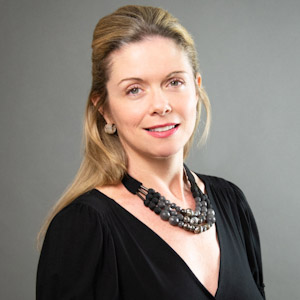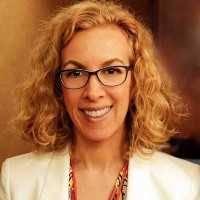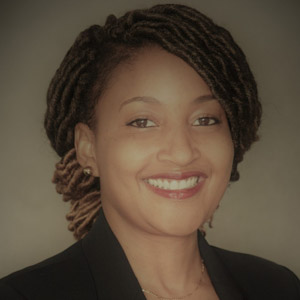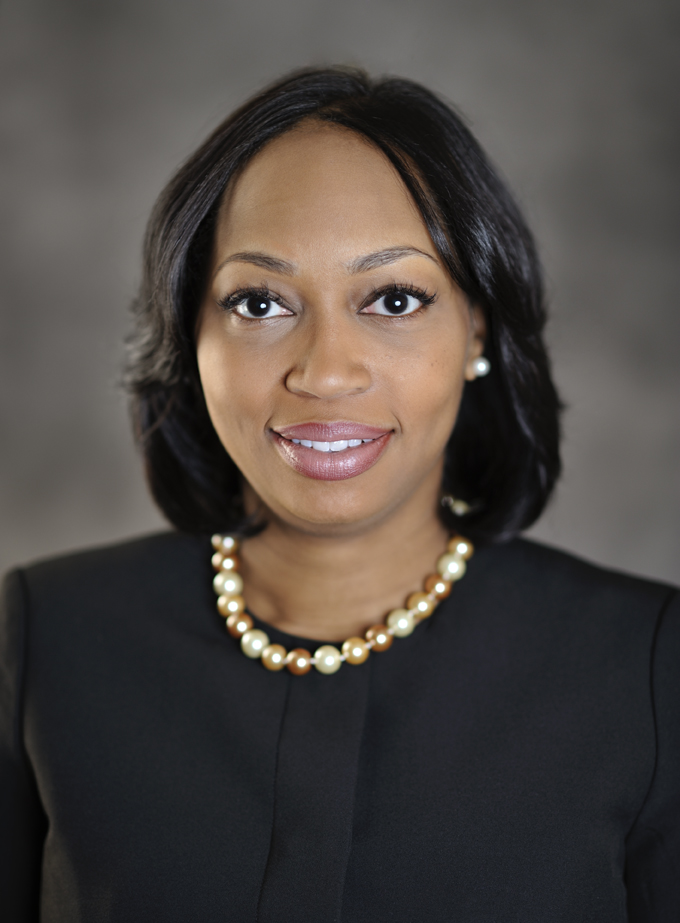
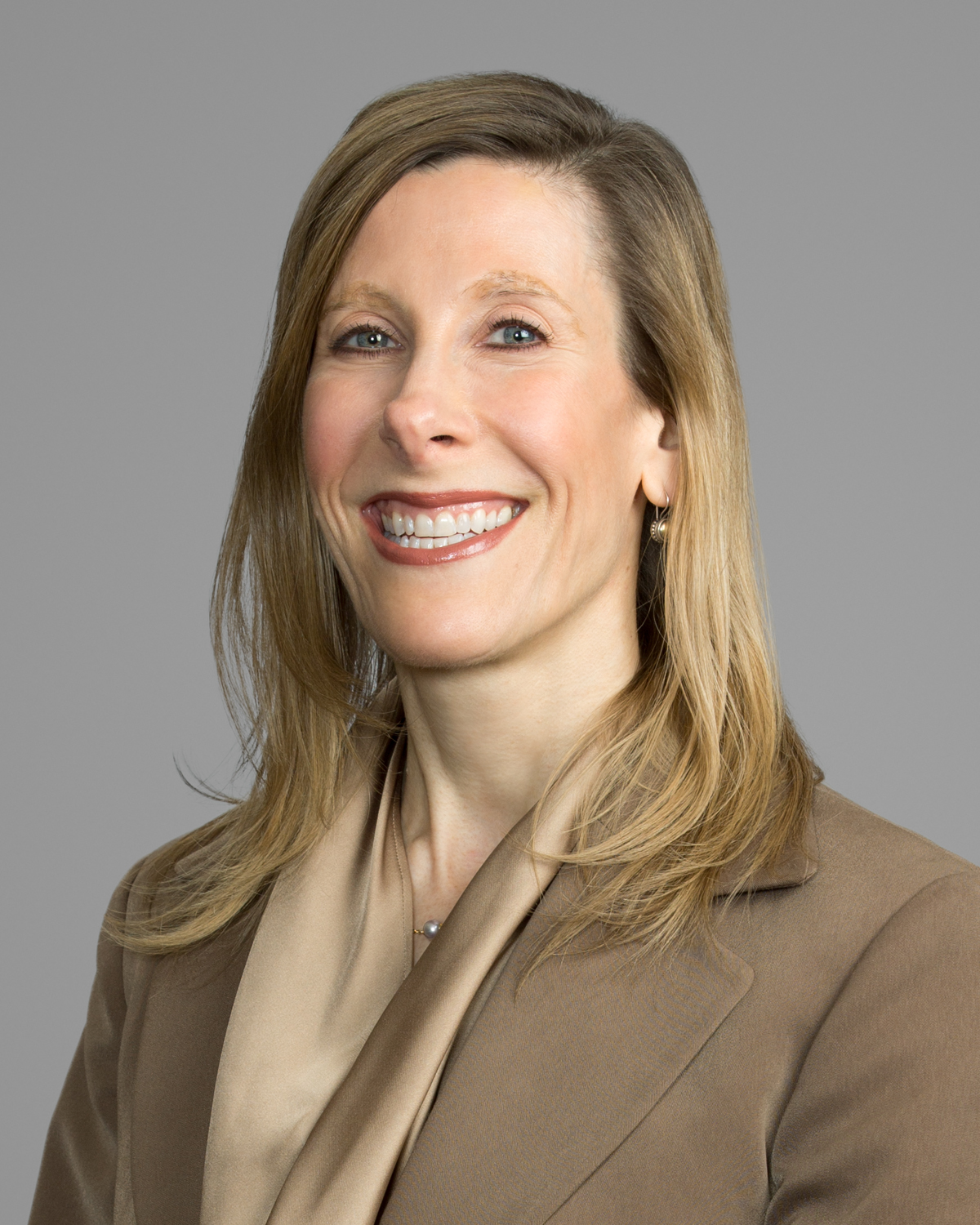
Cheryl Camin Murrayby Cathie Ericson

“Stick with it.” That’s the advice that Katten’s Cheryl Camin Murray has for younger associates, noting that employers can be accommodating if you ask.

“Sometimes you are at a point in your life where you need a more flexible schedule, but that doesn’t mean you have to automatically go off the partner track or to part time. You can continue to create opportunities in your career by asking for what you need; in fact, you may even be the impetus for a new policy or program that helps others.”

Finding Her Niche

That guidance has helped Murray achieve the career she envisioned: entering private practice, becoming an involved, contributing member to a firm, and eventually getting elevated to partner. Throughout her legal career she has focused on health care law, with a stint interning with the U.S. Department of Health and Human Services, Office of the Inspector General, to cement her interest, then earning a master’s degree in public health from the University of Texas Health Science Center at Houston in addition to her law degree.

Murray started as a summer associate and worked her way up to partner at another firm before she joined Katten’s newest office in Dallas in 2018 with two talented colleagues. Together they have grown the Texas Health Care practice, which represents one of her proudest professional accomplishments to date.

In light of the recent COVID-related ramifications, she has been focused on leading in a creative way that allows her to continue to support the firm and her clients, guiding them through transactional and regulatory matters, as well as the privacy and security concerns facing the health care industry. To that end, she serves on Katten’s COVID-19 advisory group, a multidisciplinary task force addressing the wide range of issues companies are facing in response to the coronavirus outbreak. She is also part of the Dallas Bar Association’s Coronavirus Task Force designed to bring attorneys the latest news on court closures, legal and community resources and webinar presentations. For example, with the growth of telehealth services during this time, Murray often counsels health care providers on major developments that could impact the delivery and coverage of such services.

Nurturing a Culture of Mutual Support

Murray advises young professionals to seek mentors as much as possible, identifying people with a breadth of experience to guide their careers and help identify next steps and goals and the best paths to getting there. She advocates that women attorneys who are more established in their careers support younger attorneys, but also each other. For her part, she has been active in “Act III,” an external women’s lawyer group that includes women from different practices who come together to help support each other as they navigate the next stage of their careers and then bring the next generation of women along with them.

While law is a great career path, she acknowledges it can be challenging for women. “Since genetically women carry and deliver the babies, companies are realizing they need to develop robust programs to offer support, such as enhanced maternity and paternity leave,” Murray said. It’s not just the official firm policy that matters, but also how that policy is turned into practice and integrated into the firm’s culture, she said.

As an equity partner at a prior firm when she had her triplets, Murray encountered a hurdle in taking time off although her colleagues were very supportive during this time. “When you have built a business around clients—relationships you’ve developed—it’s more challenging to go off the clock for an official maternity leave,” she notes. At Katten, she has found a firm that has been highly supportive with generous policies for families and a dedication to balance.

Her firm involvement includes a role as the Texas co-chair of Katten’s Women’s Leadership Forum, which supports the advancement and retention of female attorneys by offering mentoring, skill-building opportunities, external and internal networking, and career development programs. One recent event she felt was particularly helpful to attendees centered on how to identify and overcome the psychological phenomenon of “imposter syndrome.”

Outside the firm, Murray is equally involved, as the second vice president on the board of directors of the Dallas Bar Association; chair of the board of directors of the Southwest Transplant Alliance, a nonprofit organization that serves as the bridge between organ donors and potential transplant recipients in Texas; and a board member and former chair of the Dallas Friday Group, a nonpartisan organization of business people who share an interest in public affairs and business issues. On top of those roles, Murray is the mom of four-year-old triplets.

A busy practice, coupled with a fulfilling volunteer and family life, are the keys to success for Murray.
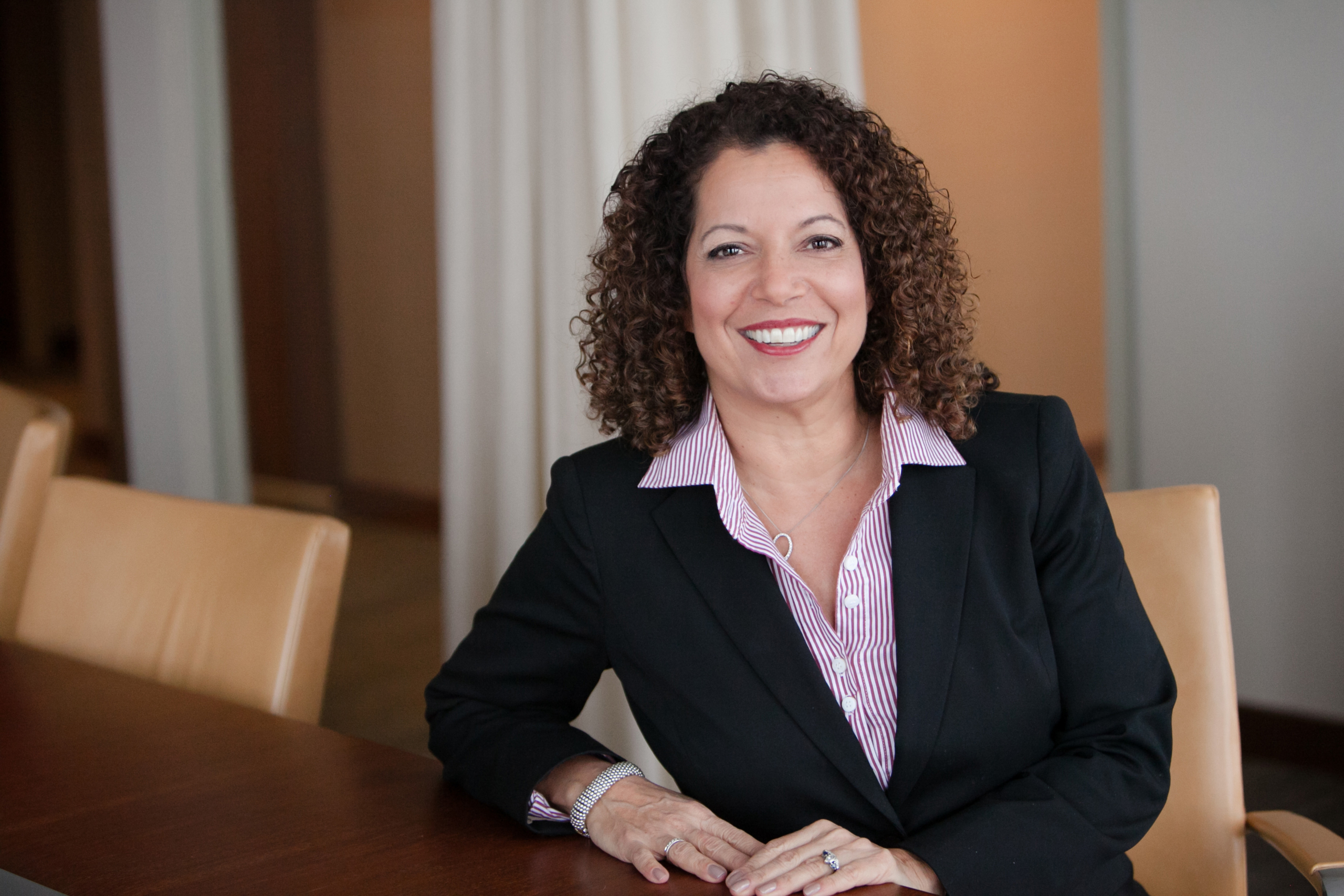
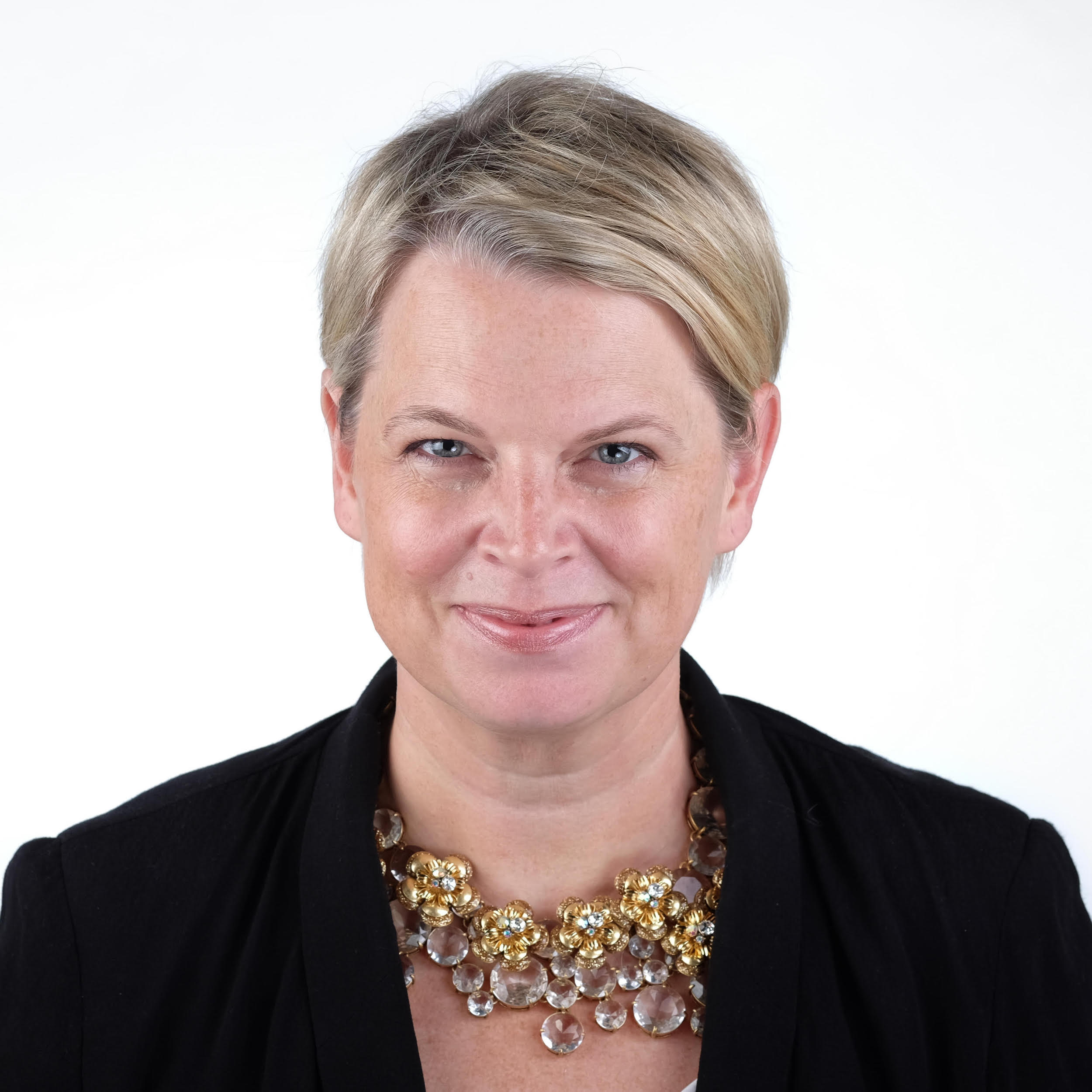
Lisa Featherngillby Lisa Featherngill, Head of Legacy and Wealth Planning, Abbot Downing

Empowerment can come in many forms.

According to Webster’s, the definition of empowerment is “granting of power, right or authority to perform various acts and duties or the state of having the power, right or authority to do something.”

So, empowerment can come from inside or it can be given to someone. In my experience, being empowered as a young girl helped me become stronger and more confident as a woman. I want to share my story with you to hopefully inspire you to empower others.

I was fortunate that my hard working, successful single mother never discouraged me from ‘traditional’ male subjects. She never graduated from high school and yet she was working at the White House and traveling with the Press Corps and Presidents Johnson and Nixon. She was a role model for being strong and confident and always told me that I could do whatever I want in life.

Growing up I was surrounded by women like Helen Thomas, the iconic correspondent from Associated Press, Gloria Steinem who had just started Ms. Magazine and was a leader in the women’s liberation movement. These women were powerful, visible and impactful. They were trail blazers who did not hesitate to follow their passion for change despite considerable obstacles. I practiced what I observed. As a teenager and young adult, I was told I was “rebel without a pause.” I was always eager to channel my energy into exploring new opportunities.

In college, I thought that I wanted to be a photo-journalist. Then my camera was stolen on a trip to Key West before the fall semester started, so I decided to try accounting. To my surprise, I loved it. I took the CPA exam as soon as I finished finals and a week later went to work at Arthur Andersen. Although 50% of the new hires were women, there weren’t many women in the senior ranks. It was a tough environment and even tougher as a woman. It was at Arthur Andersen that I found my first supporter in my professional career, a man named David, who was a partner. He told me that he expected brilliance from me. Through hard work, constructive feedback and opportunities I was promoted and quickly learned that with more visibility, there were new and higher barriers to overcome. David took a chance sponsoring me, a term that was not used that time. He provided me space to grow, to build my confidence and recognize my contributions to the firm. Although he was incredibly tough, I knew he had my back.

Through my experience with David and Arthur Andersen, I knew I had added responsibility to pay it forward to create opportunities and a more inclusive environment for women in the workplace. One small example occurred during a cold winter one year, back when women didn’t wear pants to work. I challenged the office Managing Partner and said “I’m going to wear pants to work tomorrow” and he replied, “fine, I’m going to wear a skirt.” That day my simple act of defiance helped drive change that was another stepping stone to improving the environment for women in our office.

I love to find great talent and the planning field has an unusually high percentage of women. I have been fortunate to help other women find opportunities that enable them to grow professionally and personally. Support can be as simple as encouragement, inviting someone to a conversation, or creating room from them to innovate. One of the members of my team was dedicated to client service, but I saw so much potential in her to lead others and share her voice more prominently. I coached her for a few years and provided her more exposure when I expanded her role from a regional to national level. She has also coached me to understand different perspectives. I have seen her flourish through the relationships she has built with others and helped her grow in confidence so she can someday step into my shoes.

Being available to talk to women in the finance field has been very rewarding. Listening to their experiences and needs has allowed me to adapt my management style. I have made sure that my teams have flexible work schedules and resources available to them so they can do their best work while still managing their personal lives. Ironically, working from home during the COVID-19 virus has shown other leaders that we can be effective with flexible work schedules and working from home.

We have a unique opportunity and responsibility to empower other women. According to a recent presentation at the Abbot Downing Women’s Summit, women have not been able to break a glass ceiling to get past 20% of women in leadership positions. Currently, 60% of undergraduate and graduate degrees are awarded to women. So, there are women entering the workforce. However, the conundrum to me, is that they still aren’t getting into the leadership positions at the same rate as men. It is amazing to me that 48 years after the first edition of Ms. Magazine and seven years after the book “Lean In” was published, women aren’t in more leadership roles. To quote Ruth Bader Ginsburg, “Women belong in all places where decisions are being made. It shouldn’t be that women are the exception.”

If this is going to change, both the women in the 20% and men in leadership roles need to empower the 80% of women beneath the glass ceiling. Women and men need to recognize and support the women who show the desire and talent for leadership. I am fortunate to currently report to a man who provides this support for me and other women in the company.

Empowerment can happen at work or it can happen at home. As Gloria Steinem said, “The best way for us to cultivate fearlessness in our daughters and other young women is by example. If they see their mothers and other women in their lives going forward, despite fear, they’ll know it’s possible.”

I encourage us all to invest time into the change needed. We are all in a position of influence.

Tami Gaythwaiteby Cathie Ericson

As you go through your career, it’s important not to be overly focused or worried about the impact of a single mistake or decision, says Tami Gaythwaite.

“That’s because it’s not the actual mistake or decision that’s the impactful moment; it’s what you do after,” she says, adding that the best way to deal with it is to ask yourself if the issue will be important in the next year or even five. “That type of consideration can put any one action into perspective and help you keep moving forward.”

Learning by Doing Propelled Her Career

Like many aspiring professionals, Gaythwaite started at Kelly, the temporary services provider, putting her fantastic typing skills to work at a wide variety of companies. It was an experience that gave her valuable skills, including being able to just walk into a company, assess their needs and get to work.

“I don’t think as many people do temp jobs today, but the experience is invaluable and gave me a good foundation into the type of jobs I wanted, as well as feeling comfortable with walking into the unknown,” she says.

A full-time job at R.J. Reynolds followed, where she worked as a production assistant, helping organize sports promotions with NASCAR. Due to staff changes and turnover, she began to fill in various roles such as writing scripts and learning to edit and produce videos until soon she was running the video department. When the sponsorships came to an end, she took her skills to the freelance world, where she worked as an editor, animator and producer, where she realized that true value would come from choosing an area in which to focus.

As a way to ensure longevity, Gaythwaite decided to focus on the client side and moved to business management and sales with Centerline Digital, where she has been for the past 15 years. Her work expanded to solving client issues in project management and she eventually moved into the COO role, where she oversees the overall health of the business.

“My greatest achievement has been being part of the company’s growth, including finding clients and growing into a role where I can support and work side by side with my fellow team members, overseeing their professional growth,” Gaythwaite says.

Centerline Digital’s core offerings meld storytelling with marketing data that allows the company to conduct sophisticated trend forecasting. “It’s fascinating to see how those will merge as we make sure to continue to focus on the human element and keep the end customer in mind.”

Finding Your Own Path

Gaythwaite says she often works with women who have a couple of years under their belt and worry about the common barriers that women face in the work world, which can be destructive. “Don’t fear the barriers,” she says. “Although you are bound to meet them, you need to learn to push past them, which can be accomplished by aligning yourself with other women who can help you grow.”

In addition, she believes that her peers need to band together and support one another as well, as they are all currently juggling multiple needs: parents, kids and their next career step. “Understanding that we’re all going through the same thing, and are all looking at our past success, yet unsure what the next steps will be, we need to give ourselves and others some leeway.”

She is proud that the entire executive team at her firm is women, many who, like her, have been there a long time, growing up through having families and career success. “We can help nurture the other women who join our team,” she says.

A single mom by choice, Gaythwaite says that life never turns out exactly how you expect, but it can be even more gratifying. “Understand that you will likely be facing multiple speed bumps along the way, and that it won’t be exactly what you envisioned. But keep moving forward and own your own specific path. While it will look different for each person, focus on your own life and what works for you, and that’s how you will define and find success.”

Vicki Brakl Opportunity is often dependent on timing, says Vicki Brakl.

“If you have a good idea, speak up! Good ideas come from everywhere. What’s most important is for leaders to foster an open-minded environment where all ideas are considered.”

This is something Brakl has experienced throughout her career. She knows firsthand that people (including herself) frequently defer to those in senior positions as a sign of respect. What’s important to distinguish is that respect doesn’t indicate silence. This allows for the strongest ideas to be built upon for all to benefit.

Looking for New Challenges to Stretch her Talents

Status quo is definitely not something Brakl ever sought. In fact, she has always said yes to opportunities where she felt she could learn something new. She describes her career path as “winding”—always moving forward, based on curiosity and a desire to stretch herself along the way.

Brakl says she’s been lucky to never have had to “search for a job,” so to speak, and she attributes that to the fact that she has always done what she’s said she’s going to do; while it sounds simple, this work ethic can be in short supply.

“I want to work with smart, motivated, curious people, but also precise communicators and problem solvers who bring solutions and new ideas. I like to think that I’ve been that person to others,” Brakl says.

She found her ideal career through trial and error, including stints in the legal profession and investment banking. While the culture wasn’t for her, Brakl didn’t want to give up on business overall so she went to business school. After a full-time internship, she received a great job offer and cut her teeth on the client-side at one of the largest consumer packaged goods companies, giving her nine-years of experience. She then went to the agency side where she could work with different types of clients, from retail to pharmaceutical, and then on to a private equity group. All of these opportunities allowed her to learn and hone diverse skillsets.

Brakl’s current job came courtesy of a family friend who needed someone experienced in integrated marketing. Although she’d bought media and created strategic media plans, she’d never been on the sales side, but again, she relished the chance to try something new.

Helping Others Grow Their Careers

Throughout her career, Brakl points to several business successes—from pitching for huge budgets to unwinding companies and making clients whole. But what she’s most proud of is the  personal outreach of appreciation from those whose careers she’s touched. “It could be a note that they enjoyed working with me, or that a piece of advice I gave them sent them on a new course, or that they’ve found me to be an inspiring leader. These types of acknowledgments touch me most deeply because the personal relationships are what it’s all about.”

Providing that career upskilling is now an official part of her job, as she was recently promoted and added training to her purview. “For an organization of our size, training oversight is exciting because of the ability it gives me to touch people,” she says, adding that maintaining a strong culture is particularly important given their dispersed and diverse workplace.

“I’m excited about what a formalized training process can do to make a difference in uniting a company where people sit in home offices across 43 markets.” And in her new role, she intends to focus on providing ways for all employees to expand their knowledge base beyond their day-to-day responsibilities.

Brakl sees that the work world is moving more toward valuing productivity and results versus hours and thinks that will be a benefit to all, but especially to women. “You have to find the right place where you can work on your own terms in your own way. It’s not just about balance per se, but managing your life and career over the long haul in a way that’s sustainable.”

She encourages young professionals to ask for challenges in order to bolster their career. “When you are offered an opportunity, take it and run. Don’t be afraid to ask questions because that’s where the learning happens,” she says.

And while asking questions is important, so is speaking up in general. She cautions other women not to allow others to appropriate their ideas. She’s seen it all too often: you will offer an idea only for someone else to tweak it and play it off as their own. “Say it again and don’t let them get away with it. Gracefully bring it back to you with a calm remark such as, ‘As I said,’” she suggests.

Currently, two-thirds of the workforce at her company are women, with 60% at director level, and Brakl is one of four on the executive team. While the numbers continue to grow, she knows there can always be improvement and looks forward to making a difference in her new role.

Outside of work, Brakl is busy with her 5-year-old, and not a day goes by that she doesn’t learn something new by seeing the world through her eyes. “I try to harness her viewpoint and be as non-judgmental as a child. It has really  affected my perspective.”Yoga keeps her mind and body flexible; it’s just a matter of finding the time. Brakl notes that along with family, friends and keeping yourself healthy, that’s a full plate. “It all helps you be a better professional and mom,” she says.


Emily O'DanielWhen you start from the bottom and move up, it can be hard to figure out how to make your way, says Emily O’Daniel.

The best strategy is to always be willing to take on responsibilities and be vocal about what you want. “People can’t read your mind, so ask for opportunities and get more comfortable saying no to requests that no longer fit in your job description if you are spread too thin..” 

And she adds, it’s hard to know what roles are out there and “what you want to be when you grow up” so you always have to ask questions, attend conferences and do your research to  find out what other jobs are like in order to determine what suits you best. 

A Growing Company, A Rising Career

That can-do spirit has served her well.

Spending her whole career with one employer has been fulfilling for O’Daniel, if a bit unusual in her generation, she points out. However, it’s given her the chance to wear many hats and take on diverse roles, all at one firm. While she had been offered a position at PwC following an internship in forensic accounting, she liked the possibilities she was offered at PineBridge as she believed working at a smaller firm would be more fruitful and lead to more opportunities faster. 

Her first position was as the only analyst covering the Americas institutional sales team.  After gaining some experience supporting the larger team as the sole analyst, she asked take on a specialized role within the intermediary & retail team  —an area she deliberately chose since it was a channel she knew the least about so the learning curve was steep.  That channel has grown since then, as has the company, with four analysts now on the sales team.  

Eventually O’Daniel was promoted into her own sales role and for two years has been an independent sales woman focusing on identifying new business.  In addition, she supports the firm’s sub advisory business, which she says is much like being a teacher. “You’re working with clients and helping them understand the investment strategy we’ve developed. Often it can be easy to get stuck in your day-to-day job and not see the end result so it’s rewarding to have insight direct impact as you watch people save for retirement and know you’re helping them.” 

However, in terms of the professional achievement she is most proud of so far, it doesn’t even have to do with that rapid ascension, but rather in earning her CFA designation, given the challenge inherent in the three-level test, where each level only has about a 30% pass rate. She was able to juggle that massive responsibility with working full time, but she believes that accomplishing that has made a big difference in her career. 

Strong Mentors Support and Teach

When O’Daniel began her career, she had expected that the corporate world would be far more competitive in terms of interpersonal relationships, which would make it hard to be yourself, especially as a novice. She has been pleasantly surprised to find that while there are all kinds of people, , by and large people have been friendly and helpful. “Even when I am in meetings with competitors, you get the sense that people want to collaborate and be friendly.”

She has been fortunate along the way to have had several role models—starting with her father, who was in sales and reminded her to always find the fun in what you’re doing. “If you like what you’re doing, you’ll be better at it,” she says, adding that he also taught her that cutting corners is never the way to succeed.

In addition, she was inspired by a women with whom she interned, who ran a successful business while maintaining a caring and kind demeanor. And she’s learned from many other colleagues, both male and female, informally and formally, through the robust mentor program PineBridge offers where you are matched annually with someone new. She says her PineBridge mentors have not only given her great advice, but advocated for her. “It’s been a great way to gain exposure to people outside of my group,” she says. 

O’Daniel is also active in a recently developed PineBridge Women’s Network, which is an internal resource group to network and talk about challenges in professional and personal development. And, she’s a member of an external group, the Defined Contribution Institutional Investment Association (DCIIA), that is currently focusing on diversity and inclusion.

Since her role is largely numbers driven, outside of work O’Daniel enjoys exercising her creative side, from knitting to painting, making jewelry and handling any number of DIY projects. In addition she enjoys spending time with her family, frequently traveling to visit them in the Washington D.C. area.

Believe in yourself, be hardworking and tenacious, advises Digilant’s Raquel Rosenthal, but never forget that determination is a big part of success.

“Don’t let the little stuff get to you, but keep looking at the goals with your eye on the prize,” she says, an attitude that she attributes to her sales background.

“When you’re young and on a superstar path, you want to get there quickly, but you need to continue to work on yourself. With any blip, I kept focused and realized that even if my time wasn’t now, it was coming.”

Riding the Wave of Transformative Technologies

That determination has given Rosenthal a front row seat to the transformation of the digital world over her career. In college she worked at her campus radio station as a sales manager, then got a position at a local publication called the Advantage where she worked for a year before starting her own publication, which she ran for four years. “While I started on the traditional side, I focused my career on the digital advertising industry and emerging markets. I have always been entrepreneurial, which has shaped me and how I’ve grown my career,” she says.

While she loved advertising and selling, when she started her career at DoubleClick, a company acquired by Google, she realized she had found her passion. With the digital industry just emerging,it was an exciting challenge to work with large companies to convince them to pivot their marketing budgets. She held management roles at other tech companies, including Belo Interactive Media and dataxu, and then seeking a new challenge, she joined Digilant in 2011, ascending from Senior Vice President of Sales and Chief Revenue Officer to CEO.

“I feel very fortunate to have been part of this emerging field,” she says, adding that while she is proud that she’s been able to switch gears from being a contributor to becoming a CEO, even more so she considers herself a “turnaround” CEO. “I was able to leverage my revenue mindset and take the company from where it was losing money to today, where we are headed into our third consecutive year of growth,” she says.

Always on the forefront of emerging trends, Rosenthal closely watches the current landscape within the advertising space, where there’s been a merger of adtech agency services and consulting. “It’s significant when companies with that financial prowess enter the space, so we have been focused on retooling our company to ensure we can compete alongside the larger companies.”

Along with that, Digilant is focused on eliminating siloed data within organizations and the industry to help create a seamless customer experience. Rosenthal states, “we are shifting to a single source of truth to help understand how the consumer is looking to get their data and how analytics can help us improve the consumer journey.”

A Growing World of Opportunity

Looking at the talent landscape, Rosenthal sees many more opportunities for women in middle management and leadership positions than when she started, and although there are still fewer women than is ideal, she feels optimistic about what lies ahead. Using her own company as an example, Digilant has four women in executive leadership positions, attributed to recent growth.

With a focus on diversity of gender and culture, they have implemented “Women and Wisdom”,a monthly discussion group that covers a diverse array of topics, from gender roles to climate change, all chosen by women. A robust mentorship program is also key to helping elevate women.

Rosenthal believes it’s important to stay focused on your work, but in order to bring your best self to work and position yourself for success, you also have to focus on yourself. She says, “it could be walking the dog or reading a chapter every day, but you have to have something that helps you decompress and get away from work to bring that fresh mindset that breeds creativity.”

She definitely takes her own advice, including a daily three-mile walk with her dogs and setting aside time to read books on managing, such as Radical Candor and Good to Great. “People are in constant evolution, including myself, so I love to focus on those topics that will help both myself and the company.”


Trust your instincts and let them guide you, advises Katten’s Lisa Atlas Genecov.  Her instincts lit the way to a path that has allowed her to have a fulfilling career and simultaneously raise a family.

Finding Success Through Forging An Alternate Way

Genecov began her law career in Dallas as a Mergers and Acquisitions attorney, with stints at several large regional and national law firms.  After her youngest child, now 26, was born, she decided it was time to downshift for a period, and she began to work three days a week for a smaller firm. 

“I didn’t want to miss all those important milestones that my kids would have, but I didn’t want to stop working completely,” she notes, echoing a common theme among many working moms.  At the smaller firm, she found herself handling numerous healthcare transactions, along with her general M&A work, and realized how much she enjoyed it. She pivoted to the health care space, and it soon became 100% of the focus of her legal practice.

When Genecov decided to return back to a larger firm and a full-time practice three (3) years later, she maintained that specialty, eventually becoming the firm’s Health Care Practice Group leader.  Looking back, she has come to appreciate the fact that transitioning to part-time status led to the most rewarding shift for her career—not only did she have more time with her kids, but it allowed her the opportunity to try something new which propelled her practice into a different and very busy direction, just as health care reform came into focus and the Affordable Care Act was later signed into law, dramatically reshaping the country’s health care landscape.

About eight months after Katten opened its Dallas office in February 2018, Genecov joined the firm as Co-Chair of its National Health Care Practice Group. She came to Katten with two female lateral partners – Cheryl Camin Murray and Kenya Woodruff – both of whom she has respected and known for years but they hadn’t practiced together.  They established Katten’s first Health Care practice in Dallas, counseling health care providers in connection with major transactions and regulatory issues while working closely with the firm’s white collar attorneys on health care litigation matters. 

“I’m proud that I came together with these other partners to grow our complementary practices,” Genecov says.  “It’s exciting to be working at a growing and successful office of a well-respected national law firm and health care practice where I enjoy working with my colleagues every day.  And along with that, I’m proud to have been able to maintain a robust and satisfying career while raising two awesome kids who have become two awesome adults.”

Succeeding in the Balancing Act

In fact, Genecov believes that one of the biggest issues for women when choosing a place to work—whether it’s a firm, public service or in-house position—is to make sure you are well supported at your workplace, but also at home if you are planning to raise a family. 

It’s important to proactively find mentors and sponsors at the start of and throughout your career, she said.  “Look for mentors who are good at helping you in particular aspects of your career. If there’s a job that’s not working, find one that better suits your needs, and don’t be afraid of making a change,” she says, pointing to her own experience as the catalyst for a positive new path. “I wasn’t afraid to take an opportunity if it seemed like the right one.”

Along the way she has appreciated the people who have helped her, and for that reason Genecov says she always tries to be a good mentor to other women lawyers, some of whom are now in the C-suite in-house or in legal departments of large companies, of which she’s very proud.  

Diversity has always been a key value for Genecov. In fact, at her prior firm she was chief diversity officer, where she felt she was able to make a positive impact on retention and advancement.  She’s also invested in helping ensure the success of the next generation and pleased that Katten recently moved its Dallas office to the Uptown “Park District” area. “We are always looking for ways we can appeal to what younger attorneys value, and our high-tech, flexible office that focuses on green space will help us to successfully do that.”

In addition to her busy practice, Genecov is president of the Executive Committee and a founding member of the Center for Women in Law at the University of Texas, which helps to advance women at all phases of the legal profession.  For many years, she has also been an active volunteer and Board Member with the Jewish Federation of Greater Dallas.

Now that her children are adults, she and her husband continue to find meaningful ways to spend time together; often traveling to places, including Europe and Colorado, as well as enjoying sporting events and music closer to home.  “I’m so proud of my kids, and the best part is that we really enjoy one another’s company,” she says.

Andrea Mygrant While hard work is important, there’s another key predictor of professional success, says FIS Global’s Andrea Mygrant, and that’s the importance of your network.

I saw that it was vital early in my career to make sure I had a great mentor who guided me  to prioritize meeting everyone I could—both within my firm and externally with clients—and then to keep in touch.” As she notes, it’s a small community and industry, and she has frequently seen people who have circled back into her life. “They have helped me build new relationships and boosted my progression,” she notes, adding that not everyone realizes how important it is to focus on building that strong network early on to help open doors throughout your career.

Client Service at the Core

Although Mygrant was pursuing a pre-vet track in college, she changed directions after an internship at financial services firm Brown Brothers Harriman which was her first time working in fintech and with clients.

Working at a global custodian firm like that provided an important perspective on how the entire industry worked, thus kicking off her new career path. Ever since, she’s been focused on client relationships, up to her current role where she builds those relationships at an executive level.

With an insatiable curiosity, Mygrant has always looked forward to the next big thing as there’s always something innovative happening in this space. Just recently she helped a large client she’s partnered with over the past two years successfully launch a complex, integrated solution.

It had very high visibility in the organization.They were looking for a solution of different products to link together using tools that hadn’t been deployed in conjunction before,” Mygrant explains. “We were able to jointly put together the pieces, thus fulfilling a complicated deal with a lot of moving parts and unknowns.” They achieved a successful go live in January 2020. “I’m really proud that we were able to build something brand new that was important for them to be successful, resulting in such a satisfied client.

In an industry that’s always changing, she’s currently observing the new “blurry lines” separating pure technology firms that are veering into territory occupied by financial institutions. “I’m watching big companies like Amazon or Google and seeing what they will do going forward. It’s vital to be quick to market, and they have the resources to do that.

Giving Women the Support to Be Successful

As a new mom, Mygrant has been particularly focused on new challenges she’s encountered by being a working mom in the finance industry. Of course, she realizes that many things have improved over the past decade, from extended maternity or paternity leave to funding for IVF to the ability to ship milk when you travel. But here are still disparities—such as the fact that there might be a space set aside to pump, but it’s not always comfortable or convenient. And while some states are improving laws and implementing steps forward, she believes that it’s up to senior women in the workforce to help get the message heard throughout organizations. “Having key programs and options in place makes people want to come back,” she notes. “Support your employees and they’ll be loyal.

Another way Mygrant sees that companies should support their employees is through robust mentorship programs. “I can’t emphasize enough how much my mentors molded and shaped me in the right way early in my career.” She now pays it forward to other women in her organization but is well aware that in a cost-cutting environment, formal programs may become downscaled or vanish. And that’s a shame she says, since helping guide young professionals is a huge win for companies.

Her advice to newer talent is to never be afraid to ask for what they need or to take chances. “The worst that can happen is that someone says no.” You will never feel 100% confident about something new and so you have to go for it.

Baking as Relaxation

While free time is at a premium with a young child, Mygrant is still able to indulge in one of her biggest passions—baking. She is a member of a cookbook club and a baking club, and every year around the holidays, which also coincides with her birthday, she takes two days off and bakes upwards of 30 items for a huge holiday party and as gifts for friends. “Baking is a fantastic way to relieve stress and remove yourself from a job that today is a 24-hour endeavor, given all the ways we are connected. It’s a huge relief to do something I enjoy, and at the same time, it allows me to give back to my friends.”


Kacy J Gambles“Be bold, be brave and just be you. Don’t shrink to please the people around you,” says Wells Fargo Private Bank’s Kacy J. Gambles.

Kacy always had an interest in two things: people and numbers.  When she thought about career choices she wanted to marry these two interests together.  The discussion of finances was not exactly dinner table conversation, however through the perseverance and ‘scrappiness’ of her mother, Kacy was exposed to different job functions within the financial industry.  Ultimately she was led to wealth management when she stumbled upon an advertisement to study for the CERTIFIED FINANCIAL PLANNERTM designation.

Kacy started her career at PNC Bank in Pittsburgh, PA in 2003 and held a number of positions in the company’s wealth management division, from an associate trust advisor & portfolio manager to a product manager covering the separately managed accounts and alternative investments platforms.  Ultimately, she knew she enjoyed the client-facing side of the business and made the decision to obtain her MBA at The Tuck School of Business, Dartmouth College.  In 2009 while finishing her MBA at Tuck, and attending the National Black MBA Association (NBMBAA) annual conference, she crossed paths with one of Wells Fargo’s senior leaders who invited her to join his California based team in the Private Bank in an investment management development program. She has served as an investment strategist managing high-net-worth clients’ portfolios and then moved into management as a regional investment manager.  This path led to her 2017 promotion and her present day role as SVP leading a team of experienced financial professionals who help clients work toward their unique goals by providing investment management, trust and estate services, as well as specialized wealth services including legacy planning, real estate asset management, philanthropic, and business advisory services.

Being an African American executive, Kacy discusses her journey in the financial services industry and how proud she is to be navigating the journey as a woman of color every day, and acknowledges the power of sponsors who have advocated for her along the way.

“There aren’t many individuals who look like me and I have been able to navigate this industry with the support of great individuals of all types who took an interest in my career and my success.”

Gambles is keen to distinguish the difference between mentors and sponsors and urges people to understand the power of a sponsor who can truly advocate for you at the table where you are not seated. She believes more courageous conversations are the key to seeing change in the industry and in the need to advocate for hiring people with non-traditional backgrounds. And, that people should raise their hands to be matched with mentors and sponsors. She opines that Wells Fargo has a great programmatic approach to supporting women in the firm that she feels she has benefited from along the way.

“There is so much value in mentoring as it is a two directional relationship where both sides get to learn and address unconscious biases.”

She recounts recently going to a Tesla showroom and servicing shop and finding herself surprised at the number of female engineers; an example whereby we can all be caught unaware of the unconscious bias that can lurk in our brains if we are honest with ourselves in recognizing it.

Being a good manager is important to her and creating a team where people can be themselves is a continual goal of hers and she works to create space for all people to be themselves.

“When someone says thank you for listening and letting me be my authentic self and to be visible, I feel very proud. Diversity and ultimately inclusion means people can come to the table and feel like they are heard and this goes for ethnicity, gender, sexual orientation and even mental health diversity which is increasingly recognized.”

Change Agent

Inspiring and humble, Kacy is clearly motivated by being “the voice and the change” as she puts it “within the community and internally within the team”. She explains that a village helped raise her and she believes that coaching, inspiring, mentoring, developing and giving back is important to her in the work that she does inside and outside the firm.

“I am excited to be a change agent as how we (Wells Fargo) are seen in the community is important both in doing the best work to meet the wealth management goals of clients, and in solidifying an organization with great team members so that people can continue to believe in the organization.”

Kacy energetically talks about the increase of women owned businesses and within that the number of African American and Latinx women who are changing the lending culture by virtue of being the job creators and the product leaders in communities. She is excited by millennials and how they approach their careers and what their wealth needs will be in the future.

Tenacity on the Journey

Kacy reiterates tenacity as a trait that is helpful in building a career recounting that she got a lot of “no’s” but she chose to hear these as “not now” instead. She emphasizes the importance of being the owner of your career and figuring out the pathways to get more “yeses”. She believes that some barriers are organizational and can change with processes such as panel-based decisions in hiring but is forthright that individuals can self- impose their own limitations and believes that a “can do” attitude is crucial for success.

Kacy relays her advice that she would give to her younger self, “I tended to be quieter in meetings and I wish I had taken more chances.  I was once advised that  when someone thinks you are ready for an opportunity don’t insult them by saying you can’t. Now I realize that my advice to others is that you always can. You have the skills, resources, and examples.  If you don’t see it then you can become the light for the people behind you.”

Outside of work she offers that her spiritual side is her foundation and that she was raised by strong women who remind her where she came from and keep her humble and that she has to “pull people up with me”.

Kacy enjoys travel with a philanthropic twist as a volunteer for Habitat for Humanity.

“I always leave feeling that the people building the houses get more than we give on these trips as it is the human side of connecting that matters and love still abounds and we as humans are resilient. It is very humbling.”

Melandee Jones CanadyOver the years, AARP’s Melandee Jones Canady has learned that if you’re not upfront about letting people know your accomplishments, it opens the door for others to create your narrative on your behalf.

“I wish I had been more vocal early on; I was a doer quietly performing my work, until someone pulled me aside and said I needed to start broadcasting more of my achievements.” That helped raise her profile, which is paramount to success in any career.

A Career Based on All Paths Taken

The unifying thread behind Canady’s career is that she believed in seizing opportunities and seeing where they could take her. The result has been a successful marriage of technology and business skillsets, aligned toward making life easier for the customer.

An IT executive with 20 years of experience, she follows in the footsteps of her father, who sparked her interest when he would discuss his work with data centers and mainframes at the dinner table. She studied law and technology, and subsequent internships at IBM, Lockheed Martin and Allstate solidified her interest in technology, while opening her eyes to all the different opportunities in the field.

She started her career with Enovia , which had a rotation program that exposed her to a wide variety of skills, from client/server development to software testing.  It was testing where she discovered “that she was great at breaking things and handing them off for someone else to fix them.” Eventually she left for the world of consulting, then worked on an international project for a reinsurance company and finally settled into financial services.

Canady joined Ally Bank, where she was impressed with the innovative ideas they were launching. She was part of its rebrand as a direct bank, where she was able to use her skills to create seamless and secure technology, which she realized was the only chance to make an impression on customers when there’s no brick-and-mortar presence.  While there she earned her MBA and moved from systems analysis to a business-oriented role that bolstered her understanding of voice of the customer as she partnered to find out their needs and desired outcomes.

Soon she was recruited by a consulting company to support TIAA (then TIAA-CREF) which also wanted to set up a direct bank, as she was one of the few with the skillset. Eventually she decided to move to Washington, D.C., and worked with Deloitte Consulting specializing in systems integration, which she says was among her most satisfying work stints, given the many new experiences and opportunities to adapt what she had learned over the years in a client-facing role.

Almost four years ago, she was recruited to AARP where she interfaces between the technology departments and business partners to bridge gaps. “Working for an association gives you a fascinating view into how you can serve your 37+ million members, compared with working for shareholders,” she says, adding that it perfectly combines her background in voice of the customer and business outcomes as she serves its members and the community at large.

Today she is helping launch programs around artificial intelligence (AI), specifically working on the first level of Robotic Process Automation (RPA) to help make AARP more efficient. “With almost 38 million members and only 2,400 employees, it’s a puzzle to figure out how to support everything. RPA can automate rote tasks to allow staff to work on more exciting projects,” Canady explains.

While she’s had a number of satisfying professional experiences, she also counts among her achievements some of the programs she’s been involved with outside of work, such as testing software with the United Nations, along with a wide variety of mentoring and training efforts she’s helped with, including both formal and informal affinity groups.

One that she has particularly enjoyed is Black Data Processing Associates (BDPA), along with a Women in Technology group set up by her former boss at AARP. “As a female CIO, her goal was to show how others can follow in her path, which has opened doors and created conversations that otherwise wouldn’t have happened,” she says.

Helping Others Grow

And that often leads her to give advice to younger professionals. One of the first things Canady tells them is that it’s OK to stand out. “I’ve been on numerous teams where I’m the only woman, the only African American, or even the only American.” She finds there is still a persistent perception of what a “technologist” looks like. “People expect you to look a certain way or have a certain background, so I work to dispel that myth and emphasize we are all different,” she says. And she adds, that’s important for business success, too, since the more diverse teams are, the better the outcomes.

She also thinks it’s important for women to realize that career pivots are not just normal, they are often better. “It’s fine to remember what you wanted when you were first starting, but it’s wise to realize that your end game might change—and it might end up even better than you expected.  The key to that is perseverance: Don’t let others discourage you; if there’s an assignment you want, raise your hand,” she says.

With her husband and two small children—a two-and-a-half year old daughter and nine-month-old son—Canady stays busy on the homefront, traveling and just being together. But she still finds time to give back, participating in a Giving Circle where they pool money to make more of an impact for local charities, and as a member of the Junior League.