
Tag Archive for: Wells Fargo

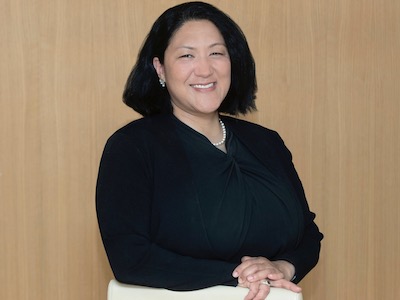
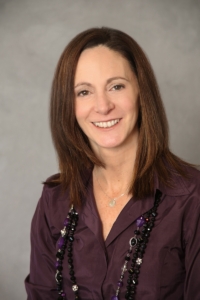
Ghauri AmberAs one of the youngest advisors on her team with Wells Fargo Private Bank in Houston, Pakistan-native and single mom Amber Ghauri is not your typical VP Wealth Advisor. And she didn’t arrive to her position via your typical trajectory either.

Entering Finance on Her Terms

Born and raised in Pakistan, Ghauri moved to Houston, Texas in the middle of working toward her economics degree. Even though Amber experienced immense culture shock in a challenging international move, she completed her economics degree and then decided to stay at home for a few years to raise her first child.

While at home with her two and a half year old son, she began prepping to enter the University of Houston for her MBA in Finance. As part of the program she participated in the Cougar fund, student-led portfolio management hedge fund program.

“It’s a very sought after program and many Houston based energy and financial companies will hire you directly out of that program,” says Ghauri. “I was offered several positions, but didn’t accept any of those.”

Following graduation and expecting her second child, she stayed home for a few years, fully aware this would make her initial leap into a finance career more challenging. Adding to that challenge was the fact that she would not be coming directly out of her MBA, nor would she be licensed.

However, when Ghauri was ready in 2014, JP Morgan hired her for their investment department while supporting her to complete her CFP. She worked at JP Morgan with senior advisors for nearly five years, until she met the sponsor who would help her find her personal path to thriving.

Help in Finding Her Greater Alignment

While Ghauri was successful in her investment role at JP Morgan, she was ready for broader responsibility. It was during a single networking lunch with Amy Bracken at Wells Fargo that she received the kind of valuable external reflection that turns a key and changes everything.

“You’re not a behind the desk kind of person. You’re in the wrong role,” Bracken told her, according to Ghauri. “You’re a relationship kind of person, and that’s the role you should be taking on.”

Ghauri skeptically moved to Wells Fargo in a Wealth Advisor Associate role working for Bracken. Within three months, she was promoted to Wealth Advisor. Less than two years later, she was promoted to VP. Her combination of business acumen, investment knowledge and natural relatability propelled her to success.

As her sponsor and mentor, Bracken continues to be supportive of Ghauri whenever she is looking for career encouragement.

“Amy will impress you to no end, she is somebody that’s relatable, admires Ghauri of her mentor. “She gauges the goals of other women and enables them for success.”

Self-Advocacy, Learning and Honesty

Ghauri has thrived being a single parent, being an immigrant and being seen as young, relative to members of her team – and she’s proud of it. She shares some principles behind her success.

“I’ve always pushed for more. I was never shy in asking and putting it out there to leadership what I wanted,” she says. “If I got the opportunity or not, that’s beside the point.”

When it comes to self-advocacy, she recommends to let leadership know where your personal goals are, long term and short term.

“Talk to immediate leadership. Have the conversation you’re always hesitant to bring up,” she recommends using the opportunity of reviews. “Unless you speak for yourself, nobody else is going to.”

What energizes Ghauri in her current role is her ability to work with clients on their diverse needs through holistic wealth planning. She and her team help clients better understand their investment portfolios, create customize wealth preservation and transfer strategies, manage the asset and liabilities side of the balance sheet and provide other solutions including business valuations and M&A advisory services.

“Learn more than what you are expected to do, and more than what you’re doing in your current job capacity,” she recommends. “Broaden your knowledge base. Don’t be caught with a blank expression on your face when someone asks a question.”

Ghauri values honesty and efficiency and letting her clients know they are an important priority for her. “If you reach out to me, you’ll get a response from me quickly saying I acknowledge you”, says Amber stressing the importance of a responsive connection to others.

Coping with Disruption: Struggle To Growth

Speaking of honesty, Ghauri admits the onset of COVID-19 hit her really hard, but she has ultimately witnessed personal growth and an increased sense of her own leadership ability.

“I overcame many challenges moving to another country. I was not working until I was in my thirties. And now, the moment my career took off – I’m thinking, I’ve arrived,” she reflects. “And then COVID hit. I was feeling a deep depression.”

As a vibrant person who communicates with her entire presence, she felt the need to continue to explore ways to connect with clients in creative ways during the pandemic.

“I have a new approach and stronger bond with internal partners that has improved the way we serve clients,” she says.

When she felt concerns about the COVID having an impact on her performance, as a self-admitting strong Type A personality, she received valuable, nurturing advice from her leaders. During the stressful times of COVID, they have reminded her to put the emphasis on relationships.

“Focusing outside the relationships that sustain us can create a self-inflicted pressure which will only create more challenges” leaders advised her, according to Ghauri. They encouraged her to lean into her natural strengths of connecting and relating – even during the work from home period due to COVID.

Since Ghauri has focused her attentions away from the pressures of the job and more to the work which inspires her, she has felt herself thrive again, even though finding work/home boundaries are still a learning experience.

Ghauri has been indulging in her passion for cooking, and when she is able to, she will again enjoy avid world traveling with her two sons.

By Aimee Hansen
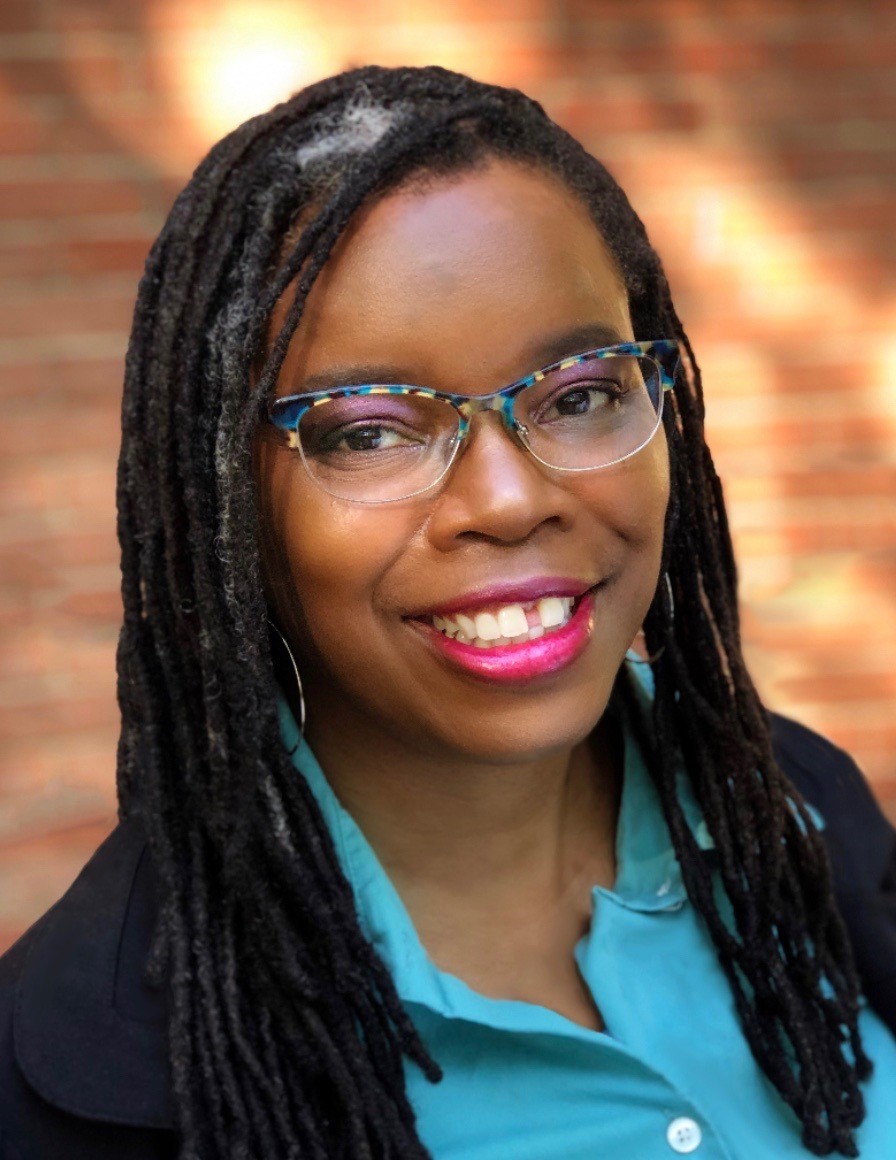
Devlyn Lorenzen“Take charge of your own narrative and find people who will speak up for you,” recommends Devlyn Lorenzen, business support associate at Wells Fargo Advisors.

She suggests asking people what is said about you when you’re not in the room, and if the response is not how you would like to be seen, work towards changing the perception.

It was a realization she came to when she was attending a diverse leaders training program and was expressing some frustration to a senior member. The other professional asked, “How do you show up?”

“The question made me pause because I realized she was asking me to figure out the type of demeanor I had that people were reacting to,” she said “I realized I had created my own box because of my title and that was a wake-up moment for me.The title behind your name doesn’t limit what you are capable of. You control your own narrative; don’t let other people determine what you can do.”

Lorenzen calls that moment a turning point in her career, where she developed a renewed confidence and determination.

Seizing Opportunities By Raising Her Hand

The strategy of taking advantage of the opportunities that come her way has defined Lorenzen’s career. She began working as a receptionist at a bank and soon accepted another position as an administrative assistant. When that bank merged with another, she earned a position as an assistant for the national sales manager in Charlotte, NC, and was also able to assume a managerial role, supervising other administrative assistants.

When the bank eventually merged with Wells Fargo, she continued to move up and around in the company, helping to form cross-functional and cross-departmental partnerships and helping assistants find opportunities to work on projects with high visibility. She is currently involved in a marketing workstream to build a resource internet site allowing financial advisors to quickly link to other partners.

Finding Ways to Share The Importance of Diversity

Along the way, she has been highly involved with diversity and inclusion efforts. In fact, one of the professional achievements she is most proud of so far is receiving the Diversity Champion Award for her work with Wells Fargo Advisors in 2018. While the honor itself was important, she was even more excited at the chance to bring her 17-year-old daughter as her guest to the celebration. “I wanted her to see the results of my hard work and provide her the chance to see all of the women on stage being recognized. It’s so important for young women to see those opportunities in action,” Lorenzen says.

As part of her commitment to diversity and inclusion, she led a workstream for a website overhaul, to develop a site where team members can learn what’s going on and what training opportunities are available, as well as highlighting stories and messages from leaders. “We want to raise awareness and provide the resources people need, which is exciting as it is constantly evolving,” she says, adding that she’s enjoying the collaboration part of it most of all.

While Lorenzen appreciates the progress that has been made, she feels there are more opportunities for diverse leaders. “Where is my career headed if I’m not seeing people like me in leadership roles?” she wondered.

The key for her was to look at areas of the bank where she could see other women who were achieving, and put effort into seeking those women out for career advice.

That’s why she believes it’s important for new professionals to find a mentor, and if it’s a woman, even better. Surround yourself with people who will cheer you on and challenge you at the same time.

She currently has several role models—the main one is her sister who has a career in higher education and is working on earning a Ph.D. “She’s constantly forging ahead; I’ve watched her navigate her challenges by bringing her own seat to the proverbial table as well as bringing an extra one for another person. No one will automatically make space for you so that’s another reason it’s vital to have someone who can advocate and sponsor you.”

Another mentor is one of the private wealth regional presidents, who invited her to a Wealth and Investment Management Mid-Atlantic Women’s Summit and offered Lorenzen time on the stage to give a short update on her work with the Diversity Council.

Despite her nervousness, Lorenzen realized the value in accepting a stretch assignment. “You will gain confidence by overcoming your fears so I recommend finding a mentor that will push you and help you grow.”

Finding Balance Outside of Work

As an Army “brat,” Lorenzen lived all over the world, which inspired in her a love of travel. She particularly enjoys traveling with her sister and niece, as well as her daughter, who has participated in a German language immersion program since kindergarten as a way to achieve a broader worldview. Her daughter traveled to Germany for an exchange program and also spent time in the Dominican Republic for a service project. “I want her to understand that people’s lives aren’t all the same and to look outside her immediate circumstances.”

Family time is what’s most important to her: hanging out with her husband and daughter, sister and niece. In addition to watching foreign films and crime shows with her husband, she also loves to indulge her creative side by crocheting, learning to knit and solving puzzles.

“I view the current work-from-home orders as a gift to be still and slow down a bit.”

By Cathie Ericson

By Janet Walker, Director, Asset Management, Abbot Downing

Atoms are the smallest units of matter; they gave rise to cells.

Embryonic stem cells come from an embryo, and are undifferentiated and undefined, but multiply, grow and develop into a variety of cells – and ultimately a living, breathing human. The development and coordination of cells into a functioning organism is not fully understood, but scientists are working to decipher this every day. Understanding what keeps everything in our bodies in top working order and determining the causes of problems, from the physical to the emotional and mental, is a curiosity that has fueled me for as long as I can remember. The study of asset management, from understanding the complexities of capital markets to deciphering investor behavior, is surprisingly similar.

My path to asset management was atypical. As a young girl, I was driven by the desire to solve medical problems, to help people, in spite of my own obstacles. I lived in and out of shelters and in a constant state of fear while I was at home, struggling to cope with a physically abusive, unstable and alcoholic father. After becoming an emancipated minor, I finished high school and ultimately college, singularly focused on the desire to go to medical school. My path was not linear and was certainly full of obstacles, but I thrived and succeeded.

My college experience and path to graduation was not straightforward, nor what you might expect for a typical college student. I attended what was affectionately called a “commuter” school, where many of the students balanced school with full time jobs. I began as an Engineering Major and discovered that not only was the subject matter not what I expected, but that I was completely unprepared to thrive in an environment that was so unwelcoming to women at the time. I considered switching to Business Administration, but ultimately found my way to the School of Life Sciences, with a reputation of producing highly skilled scientists. I majored in Cell and Molecular Biology, minored in Chemistry, and loved every minute of it. From studying in the classroom to enduring the rigors of lab research, I found that my intellectual curiosity and desire to go to medical school were in sync. The challenges from my home life however, continued to follow me into college.

In spite of a laundry list of accomplishments and qualifications, I wondered whether I would be prepared for medical school, and looked to professors and others for guidance. Rather than listening to my own voice and following my passion, I took a detour and entered a PhD program in molecular biology at a renowned medical school, on the advice of my mentor. I found myself studying in a field that required a high degree of technical focus and less interaction with people – and while I enjoyed the technical and intellectual aspects of this path, the mismatch became clear.

Returning to the West Coast, I found myself in need of a job. Throughout college, I worked in a number of fields, including a short stint as an administrative assistant in Wells Fargo Private Bank. At the time, I was told that there would be an opportunity for me if I ever wanted to return, so I took full advantage of it. The position wasn’t ideal, but I worked hard to find a way to make it my own. The world of finance was completely new to me, despite a few business electives I took in college. I was curious, highly ambitious and thought creatively about how to make it my own. Initially, I obtained a number of securities licenses, and ultimately the Chartered Financial Analyst designation, to accustom myself to the industry. At the same time, the healthcare and biotechnology industries were coming into focus within the finance industry, driven by technological advancements and major discoveries. I used my technical knowledge, research skills and curiosity to bridge a divide, learning how discoveries in science were transforming the financial services industry.

During my 20-year career at Wells Fargo I have combined the fields of science and finance, working to understand global stocks, how they fit into an investment portfolio, and how the construction of a portfolio is impacted by exogenous factors such as geopolitics, economic forces and investor attitudes. The desire to understand complex situations, determine the root cause of a problem and educate and guide clients is surprisingly similar to my childhood aspirations. I successfully manage a complex book of assets with the added benefit of being able to work with a complex and dynamic group of incredibly talented people.

The journey has not always been easy or straightforward, but I’ve persevered by being flexible and embracing change. Much to my surprise, the tools that I have picked up along the way have helped me tackle success and challenges in my personal life. Marriage, the birth of two children, the sudden loss of my husband, are events that you can never really prepare for. Much like career uncertainty, I think it’s what you learn from these events that’s key.

Everyone defines success in a different way. From working with atoms to now working with assets, I’ve learned that my pathway to success involves listening to my inner voice, following my passion and moving through the obstacles that try to derail me, with grace and a positive, forward looking attitude. Success and challenges are inevitable, how we navigate through them is the key. I never thought that I would be a widow, raising two beautiful girls on my own. Success or challenges, either personal or professional, don’t define who I am, but instead shape who I’ve become.

Lisa Hutter has been well served by the advice to take time to listen, but then also reflect, in order to figure out how you want to respond.
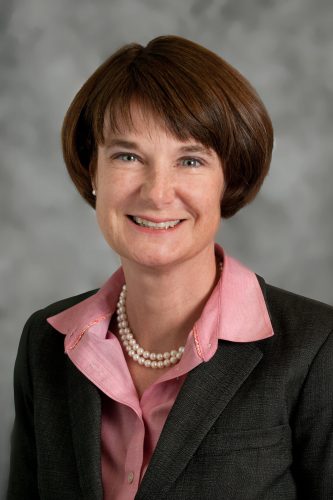
“If you are listening solely to respond, you won’t hear everything you should,” she cautions. “Focusing, being present and then taking time to be thoughtful will always lead you to a better answer,” she says.

These skills have been especially pertinent in her career, particularly in her current role where she has a hand in helping both her clients and her internal team.

Helping Clients Achieve the Best

Hutter went right from college to law school but always knew she wanted to focus on estate planning. She joined a major accounting firm for four years, then moved into the banking arena and even had her own law firm for a short time before finding her home in the trust industry. Her first role was as a trust officer focusing on estate planning, and then she joined Wells Fargo as a team leader, where she manages a team of planners who include attorneys, CFPs and accountants who offer a collaborative approach to advising private clients.

Three years ago she was offered her current position as senior director of planning for the southwest region and moved to Austin, Texas, where she has added strategy to her responsibilities. In addition she is closely involved with the firm’s diversity and inclusion efforts, helping to continue education and awareness and has been gratified at the strides they have made in moving the needle.

As she thinks back over her career, one of the accomplishments she’s been proud of is her focus on building teams—focusing not only on supporting one another and promoting trust, but also offering her employees a clear path forward in their career. She has been pleased with the way she has been able to manage a cultural shift in her region, leading to stronger teams who can better serve clients.

And that’s the cornerstone of everything she does, noting how rewarding it is to work with clients and see the positive difference she can nurture in the family unit. In fact, Hutter is excited about advances Wells Fargo is making with a more recent offering in the Private Bank called Family Dynamics.

Statistics show that when families of wealth fail, 70 percent of the time it’s because of a breakdown in communication. In that way, this offering is ideal to help bolster communication for any family contemplating their future.

Another growing trend that is inspiring her work is the “graying” of the business owner; Hutter finds there are many in her region who are nearing retirement age and exploring their options. “The best way to create a smooth transition is to start three to five years out, which also pulls in the family dynamics element,” she notes.

Confidence Will Take You Far

Hutter has always admired Sheryl Sandberg’s advice, particularly the reality that a lot of times we second guess ourselves and think we have to be perfect for a certain role or project before we throw our hat in the ring. “It’s important to realize that job descriptions shouldn’t be read as prescriptive around every single element where if you don’t have a few items on the list you shouldn’t bother applying; instead rely on the right skills you already have to succeed and be confident in yourself, apply for the role and through the course of interviews you and the folks making the hiring decision will determine if you are the right fit for the role. In the end, you might surprise yourself.”

Confidence is vitally important in her industry, when it’s not uncommon to walk into a senior leadership meeting and be outnumbered, sometimes even as the only woman. “You have to get comfortable with leaning forward and making your voice heard,” she says, adding that she has helped her teammates understand this perspective by encouraging them to put themselves in those shoes.

At the same time that you should always strive for new paths, Hutter believes that young women who are entering this industry would be well-served by being patient and taking the time to really master their job. “You can get involved in so many projects and therefore find opportunities to be challenged, even while you sit in your current job and make a name for yourself there,” she points out.

In fact, she finds that a lot of success has to do with getting to know people all over the organization and at all levels and learning more about their day-to-day jobs. “That can help you identify another area where your skills might be transferable but is more interesting to you, and you don’t want to miss out on that by not seeking new opportunities.”

It’s one of the reasons she served in the role of regional leader for the firm’s Women’s Team Network while she has continued to serve in similar roles. She urges all her colleagues to take advantage of the development programs available in person as well as on the internal site—both to boost specific skills as well as to expand networking by meeting others with whom they don’t interact on a day-to-day basis.

“Be Kind To Yourself”

Hutter’s advice for women at her level will resonate with anyone in a fast-paced field. “Be kind to yourself,” she says. “We are not perfect and so we need to believe that what we are doing is enough. Take the time to be present and focus on what matters, like your family, and shut down if you need to because that’s okay.”

She herself takes that advice to heart with her own family. In addition, she has an excellent outlet through regular workouts at her husband’s CrossFit box, appropriately named “Third Element.”

“It’s my community and home away from home, and it helps us model a healthy lifestyle for our kids,” Hutter says. In addition to mitigating stress, achieving a new goal in her workout has another important byproduct—transferring those feelings of success to the workplace.

Tracie McMillionEarn opportunities by, working hard, taking a deep interest in your work and realizing results, which will give you the confidence to ask for even more, says Tracie McMillion.
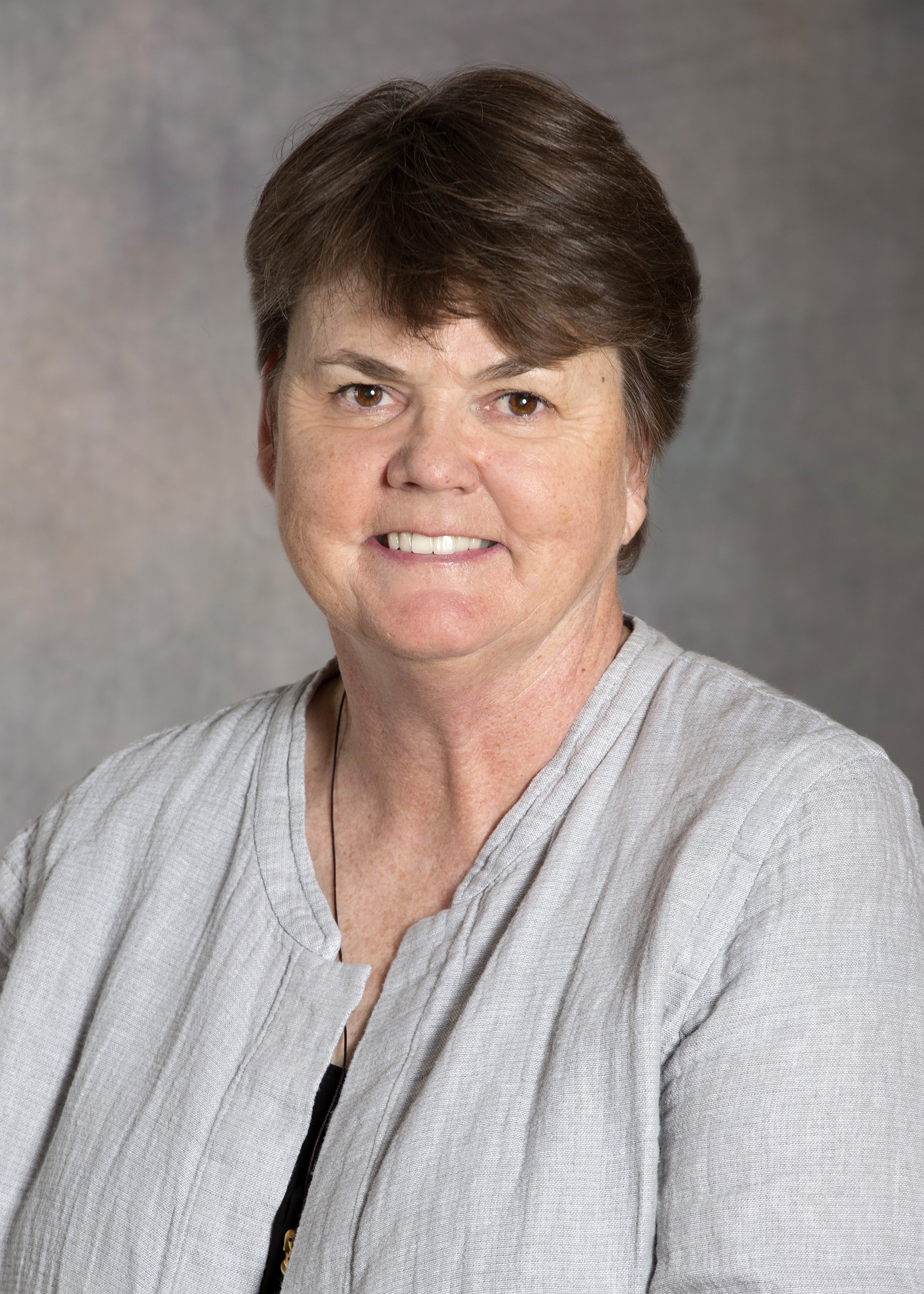
“I often find that women underestimate how much they already know,” she says. “We want to feel like we know everything; but it’s ok to learn as we go.”

Advice and Strategy Create the Ideal Career

McMillion began her finance career with a smaller bank in Richmond, Va., as a research assistant to four portfolio managers. At the time, the chief investment officer suggested she pursue her MBA and CFA; she decided to pursue the CFA first and soon found it was a hard-earned designation as she spent the next several years pursuing “head down studying” during the majority of her non-work hours.

During that time McMillion was promoted to portfolio manager, taking on clients and gradually tackling more complex situations with individual families to create customized investment portfolios. After earning her CFA, she decided to pursue her MBA, during which she got “reacquainted” with her economics major and decided a move into investment strategy was a great next step.

McMillion was able to move over to that discipline at the same bank—a Wells Fargo predecessor. After nearly a decade of developing investment strategy, she was hired as the Head of Global Asset Allocation Strategy for the newly-formed Wells Fargo Investment Institute, a role which she continues today.

To McMillion it represents coming full circle, as she now leads a team that develops investment advice for clients of the Wealth and Investment Management division of the firm. “I understand what it’s like to sit across the table and work with clients, so it’s easier to put myself in our advisors’ shoes,” she says. “The focus of our team is sharing our best thinking with those who are working directly with the clients to help them achieve their goals.”

That group effort is the professional achievement of which she is most proud—in her current role she leads a virtual team in several locations around the country, who each have individual strengths and goals and yet work cohesively together. “I have a passion for helping people achieve their goals—whether it’s my team, peers or clients,” she says.

Women as Savvy Investors and Advisors

Another passion of McMillion’s is to inspire women to take charge of their financial lives. Over the years McMillion has found that women investors sometimes lack confidence in their abilty to invest—and yet shouldn’t. Her team has conducted research and reviewed extensive surveys revealing that the best-performing accounts are repeatedly those headed by females—the top spot goes to those with single females and the second best were those with married females. The most interesting part, she says, is that they outperformed, while also assuming less risk.

“Women tend to show a number of positive traits including sticking to their plans more often, trading judiciously and making very planful decisions.” In addition, women are twice as likely to say that they need education from their advisor, which allows the Wells Fargo team to do what they do best. “We encourage women to get involved with their family’s investments; they play an integral role in the conversation, as they typically add bigger picture elements about what they want to achieve as a family.”

And just as some women might be more hesitant about their skills as investors, she finds they also have been reluctant to join the wealth management field.

“I often wonder why other fields that also require education and time commitment, such as law and medicine, have so many more women,” McMillion says. “Wealth management makes the most of skills that women typically naturally have, such as listening astutely and putting together pieces of information to make decisions. While there is competition, there are so many rewarding aspects,” she says.

She urges her peers to support one another. “We get challenged a lot about the decisions we make, which makes it particularly important to connect on a regular basis and to understand how we can help strengthen each other,” she says.

To that end, she appreciates the mentorship program within the Wells Fargo Investment Institute that helps women connect with one another. McMillion herself has served regularly as a mentor and has found it incredibly rewarding to see how her mentees have progressed.

She also notes her involvement in the Early Talent Development program—geared to attracting,recruiting, and retaining exceptional recent college graduates—which introduces them to the field and provides training and education to help them succeed. Her broader strategy team has been fortunate to have two young women join them from the group of summer interns.

Enjoying Family Life

McMillion is quick to praise her husband, who is a stay-at-home dad. “Having him there gives me confidence that our family is well cared for when I put in long hours and travel,” she says. In her spare time, she is typically with the family and enjoying the activities of her kids. Her 13-year-old daughter loves performing arts, and her 11-year-old son plays sports of all types.

Stephanie SmithBy Cathie Ericson

Success in your career can be determined by your network, which is why women can’t overlook the importance of building and maintaining relationships — not just in your company or department, but across a broad swath of the industry.

“Like many women, at the start of my career, I was very heads down on my work as I sought to perform at a high level,” says Wells Fargo’s Stephanie Smith. “While I created relationships in my company, I learned over the course of my career how critical it is to have those relationships across an industry, whether you’re trying to build a team or benchmark best practices.”

Capturing the Opportunities Available in Marketing

Currently Smith is COO for Wells Fargo Marketing, and her goal is to create a world-class marketing organization within Wells Fargo. The domain is vast, as marketing is a centralized enterprise function that supports every business in the company, as well as digital marketing and other functions.

Before moving into this role, Smith had spent a decade in leadership roles in digital channels at Wells Fargo and Bank of America, where she oversaw the online banking and electronic payments functions as well as digital marketing and sales.
Before joining the corporate world, Smith had been a political appointee in the Clinton administration, where she was the General Deputy Assistant Secretary for Housing; prior to that she had worked with national and regional non-profits that focused on affordable housing and community development.

While her career has encompassed very different assignments, Smith says that the connective tissue among all her positions has been her passion for thinking about how capitalism can help working- and middle-class Americans achieve their goals.
While it’s hard to choose just one professional achievement across a career that spans so many domains, Smith says that she is most proud of the role she has had in building high-performing teams no matter where she was.

Today she sees a number of opportunities and challenges, as the function of marketing is changing rapidly due to the impact of technology, as is every part of the business world.

Smith finds herself most excited about the work Wells Fargo is doing to apply robotic process automation, artificial intelligence, agile methodology and process reengineering to make marketing functions more efficient and effective. These new capabilities that are coming to market fit well with her background, which has been focused on the intersection of determining how you best serve customers and their financial needs using technology, along with the impact of digital technology on every aspect of marketing, including creating customized experiences.

In the operational centers of marketing, she sees that digital technology and automation are streamlining work that used to be highly manual. “Even five years ago we had a smaller set of capabilities to work with; the acceleration brought on by the expansion of marketing technology has been so constant,” Smith notes.

Seeing Diversity Across the Organization

Over the years, Smith has seen that women are given fewer opportunities for stretch assignments — partially because they aren’t offered to them as much, but also because women don’t tend to ask for them as often as men. She attributes this to women’s propensity to feel like they have to be 100 percent ready for a role before taking it, whereas men feel like they need to about 50 percent ready.

“I often share the message with young women that they don’t have to know everything on day one,” Smith says. She adds that mastering a steep learning curve will contribute to your competency and your career, supplemented by asking for support when you need it.

She relays one of her favorite pieces of advice, shared by her boss in her first job out of graduate school where she was developing affordable housing: “You don’t have to have all the answers; you just have to know the questions to ask,” which she has found helpful in a variety of new roles and challenges.

In addition she urges women not to assume that their work will speak for itself and get duly recognized since the reality is that you have to do the great work, but promote it as well. She appreciates when women in senior roles promote the work of other women, a strategy that is even more important in support of women of color.

Smith has been “out” at work as a lesbian since she left college, but acknowledges that it’s been a distinct advantage to live and work for most of her career in the accepting Bay Area. “For many others in the corporate environment, they may not have the benefit of geographic location as I do.”

Being out allows her to bring her whole self to work and not worry about expending energy on hiding her sexual orientation or her family, which makes her a better leader and team member. She also enjoys being an advocate for others as she knows how important it is to see people who are like you in the senior ranks.

As the former executive advisor to the LGBTQ employee group at Wells Fargo for a number of years, she has been proud to help lead productive discussions surrounding how the company can best support team members.

As an example, Wells Fargo’s decision to sign on to the amicus brief in support of the 2015 Supreme Court case on freedom to marry (Obergefell v. Hodges) was important, as it underscored that Wells Fargo is a company that supports the rights of its LGBTQ team members and customers. She finds this open support, combined with equal benefits for team members in same-sex relationships, to be an asset in attracting and retaining employees, and goes to the heart of Wells Fargo’s values of diversity and inclusion.

A Values-Driven Personal Life

With 17- and 15 year-old daughters, Smith and her wife structure their non-work time around their kids in a values-based way. The first is voluntarism, and they work together as a family at several homeless programs on a monthly basis; the second is education and they volunteer at the girls’ schools, which allows them to support education while also being around their daughters. And finally, they value cultural experiences so they frequently travel internationally as a family. “We structure our time around these three dimensions, which both lets us reinforce what we value as a family and gives us meaningful time with our children.”

Deidre Flood By Cathie Ericson

“You own your own path; you are your own CEO. Thus you need to manage your career to get where you want to go,” says Deirdre Flood of Wells Fargo Asset Management.

“For me opportunity knocked based on my work ethic and how I showed up to answer the door.”

Seizing opportunities as they arise has been the cornerstone of Flood’s successful career that spanned Europe and the United States, and back again.

Moving Where Opportunity Leads

At the ripe old age of 10, Flood remembers telling her elders that not only was she going to work for her money, but her money was going to work for her. Although she had varied interests throughout her teens, those words proved prescient, as she spent the first two decades of her career in financial management helping her clients money work for them.

After studying math, economics and French at University College Dublin, Flood was selected for a prestigious 18-month training program with Bank of Ireland Asset Management, the premier asset management firm. She was particularly fascinated by its global reach, with over half of its clients located outside Ireland. The internship entailed spending nine months at the headquarters in Dublin and then the other half in an international office. Flood requested a New York placement, but rather than the bright lights and big city of New York, she found herself in Greenwich, CT. Nevertheless, it was a smart career move as she found herself focused on the client-facing activities that would define her career.

In order to help gain additional credibility as a youthful female with sophisticated clients and colleagues, she earned her CFA designation. And then by building a reputation for initiative, proactive thinking and quality work, she found that opportunities presented themselves at a young age – and she said “yes” to them.

The day she planned to put in an offer on her first apartment in New York City, she was offered a position in California that she couldn’t turn down — working with a blue-chip list of clients as client service director. So instead of packing and moving to a new home in the city, she was packing her bags for California. This, to her, was an excellent lesson in seizing an opportunity, even when the timing isn’t ideal.

The role was not easy as the firm had some challenges with under-performing products and personnel turnover, and through that she learned another important lesson: You build your best client relationships during the tough times. The way one addresses client concerns – effectively and transparently – has a direct impact on successfully building a career.

Two years later the firm still hadn’t turned around, and she realized her goals and vision for her career was a mis-match with the opportunity the firm could present. Because she had built a solid network of peers in the marketplace, she put the word out that she was open to new opportunities and almost immediately had recruiters and companies calling. Narrowing it down to two appealing options, she ultimately moved to the asset management division of Wachovia, which presented itself as a start-up looking to establish a west coast presence. Flood was able to put a stake in the ground for them as the first person in an outpost office, joined shortly by key associates from her former firm as she built the west coast team.

Flood joined as consulting relations director, a role that had become a niche in its own right, and it was when she was in the process of moving to London to help expand internationally that Wachovia was acquired by Wells Fargo. Flood was interviewed by the acquiring management team and while they were not ready at the time for international expansion, they asked her to step into a leadership role, creating a merged global consultant relations team. She embraced the opportunity, relishing the challenge of integrating two firms.

And that Flood counts as the achievement she is most proud of so far: She was trusted as an unknown entity to play such a significant role at Wells Fargo, the acquiring firm.

In 2011, the world had settled down and international expansion again seemed like the right thing to do so she moved to London to expand the consulting relations team internationally. The role has expanded, and today Flood is Head of International Distribution for the firm.

For Flood one of the most intriguing recent developments in the industry is the growing appetite for Environmental, Social and Governance (ESG) investing. “Having investors take into account a company’s positive contribution to society brings an entirely new, satisfying dimension to my work,” she says.

Never Letting Gender Stand in The Way

While Flood has never considered gender as an obstacle, she notes that there is a growing appreciation for the role of diversity. Her one concession, she laughs, is that in her early client-facing days she learned how to play golf to allow her to more easily socialize with male colleagues.

She urges women to have confidence, particularly confronting the fear of speaking up or asking questions in a public setting because they are concerned it will make them look uninformed. “It’s about confidence, and honestly, I can guarantee there will be others in the room who will appreciate that you asked and will think favorably about you for doing so,” she says, adding that on a practical note, you will learn much faster than you otherwise would.

Outside the workplace, Flood indulges in a number of activities to bring balance to her busy work life. Her favorite involves marrying a childhood passion with giving back.

Having grown up on a working farm in Ireland, she developed a love for the beauty and spirit of horses and recently became involved with a program called Riding for the Disabled, where she can use her horse-handling experience to help educate, heal and bring joy to disabled adults and children.