
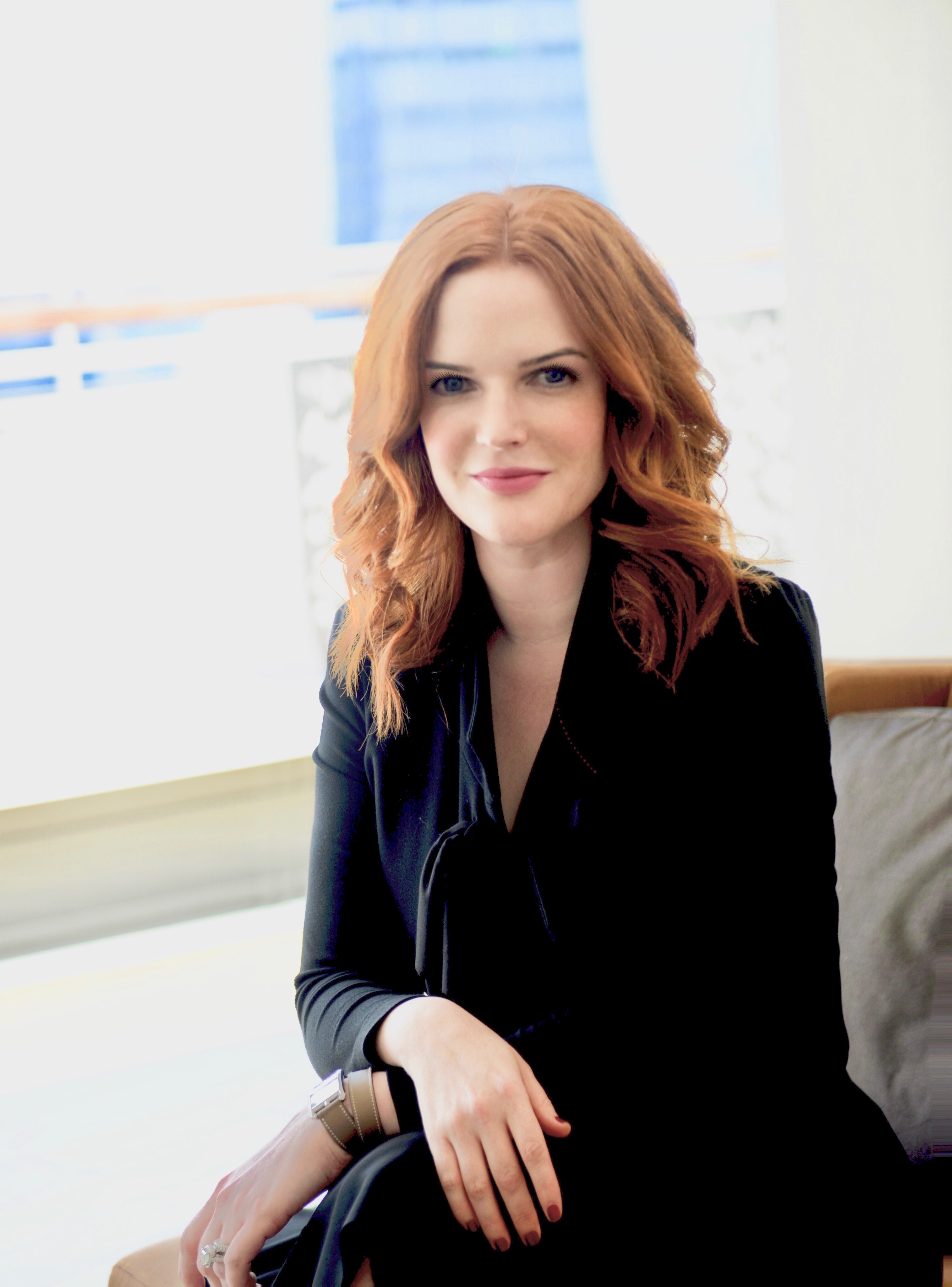
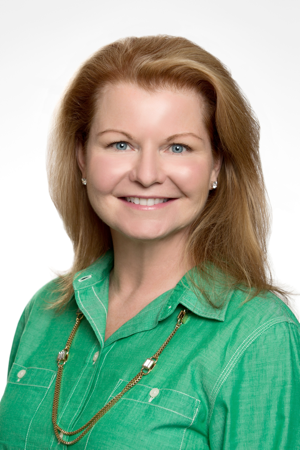
 “The best careers sit at the intersection of what you’re passionate about and what you’re naturally good at – fortunately, those two things tend to go hand in hand.” That’s advice that Goldman Sachs Managing Director Amanda Hindlian has for those thinking about where to start their careers.
“I also wish that at the outset of major career transitions I’d had the hindsight to enjoy the ride a little more – but then hindsight is always 20/20,” she says. “You might feel uncomfortable any time you make a significant change in your career, but try to enjoy that phase because it’s when you’re growing, where you’re adding to your skills and building new relationships.”
Hindlian began her career as a semiconductor equity analyst in the Global Investment Research (GIR) Division at Goldman Sachs where over the course of six years she assumed incremental coverage responsibility. She then accepted an opportunity to work as chief of staff for the global head of Research, and for several years she worked in different capacities with him and other senior divisional leaders, including as chief operating officer of GIR and senior director of the Global Markets Institute.
In mid-2015, Hindlian joined the Executive Office, working with the president and chief operating officer of the firm to develop and implement key strategic initiatives. Later in the year she assumed broader responsibilities in the Executive Office, working with the chairman and chief executive officer of the firm and overseeing the Client Strategy Group, as well as serving as secretary to the Management Committee.
Hindlian is proud of the relationships she’s developed over the years both inside and outside the firm. “The partnerships I’ve formed and mentoring I’ve received from colleagues has been crucial to my success. It’s difficult to describe the accumulation of knowledge that comes from interacting with and being surrounded by so many incredibly smart and talented people.”
Immersed in Content and People
One project Hindlian is working on now that she particularly enjoys is developing content for executives that facilitates their interactions with clients, regulators, the media or policy makers. “I love thinking about what is top of mind in the world and assessing how we can be helpful to our clients by providing them with our institutional insights on major issues.”
She interacts with different divisions within the firm to identify their specific goals and also meets with clients to understand what’s important to them. She then supplements her advice with research to strengthen that perspective.
Another project Hindlian recently undertook was organizing a dinner for more than 20 ministers of finance and central bankers to discuss what they could do to stimulate global economic growth. Hindlian participated in the two-and-a-half hour family style dinner, where participants discussed key issues from political and economic perspectives.
She is also immersed in people-related initiatives and strongly supports the firm’s efforts to hire, retain and promote the best and most diverse people. “I believe our people are our number one asset and we must remain focused on diversity so that our people reflect the world in which we and our clients live.” Hindlian has found value in being involved in the firm’s Women’s Network over the years and is an advocate for programs and initiatives that support an inclusive work environment.
Mastering the Balancing Act
While Hindlian acknowledges that everyone faces challenges balancing work and their personal life, she notes the unique challenges shared by most working moms – particularly surrounding the notion that there aren’t enough hours in the week. She cites a conversation she had with a group of accomplished women at a recent Next Generation Most Powerful Women event hosted by Fortune: “We each had our own journey, but the one commonality we had was that it’s really hard to balance it all on a daily basis. You have to hope that even if you can’t achieve balance every day that you can find it when you look back over a longer stretch of time, and if you don’t feel that way it’s time to reassess. Parenting and working can be challenging, but for me it’s been such an incredibly rewarding combination.”
A Different View of Mentoring and Networking
Hindlian finds that mentoring should happen organically and believes it’s easier to form a mentoring relationship once you have worked with someone on a project or shared a goal, vision or challenge. Otherwise, she says, the mentor doesn’t have any context to provide advice and advocacy. “You will naturally provide the foundation for mentoring relationships if you are a team player and do good work.”
A Yearning To Travel
Before she had a child, Hindlian says she would travel often, hopping on a plane with her husband for a short trip without hesitation. Now, with a 21-month-old she is enjoying her time with him closer to home, although she can’t wait until he’s old enough to join in their family adventures.
By Cathie Ericson

 “I don’t like to give advice because I believe that we each find our own path in life, but I do try to lead by example,” says Reena Agrawal Sahni, a partner at Shearman & Sterling and head of the firm’s US Bank Regulatory practice. “And that is important to me because I have learned from watching the examples set by others.”
 “Your career is a marathon not a sprint,” says Citi’s Leslie McNamara. “I spent my early years focusing on a vertical career path and how I could achieve the next level, but over the course of my career, I’ve learned it’s been the horizontal moves that expanded my horizons the most and helped me develop entirely new networks that have paid off.”